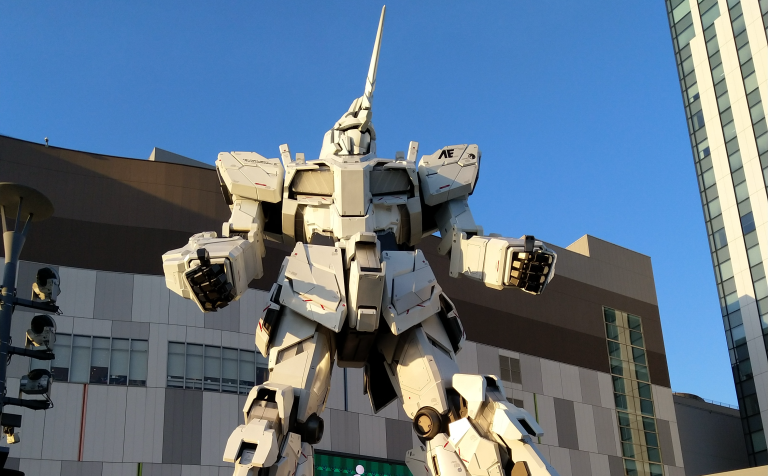
If you’re visiting temples and shrines in Japan, you may notice visitors carrying small decorative books filled with beautiful calligraphy and red seals. These are goshuin (御朱印). They are unique stamps accompanied by handwritten calligraphy that you can receive at many Buddhist temples and Shinto shrines across Japan. Collecting goshuin is a wonderful way to add more meaning to your temple and shrine visits while creating a special record of your journey. Whenever I visit Japan, I make sure to visit temples and shrines to collect goshuin as they remind me of my trips.
What Is a Goshuin
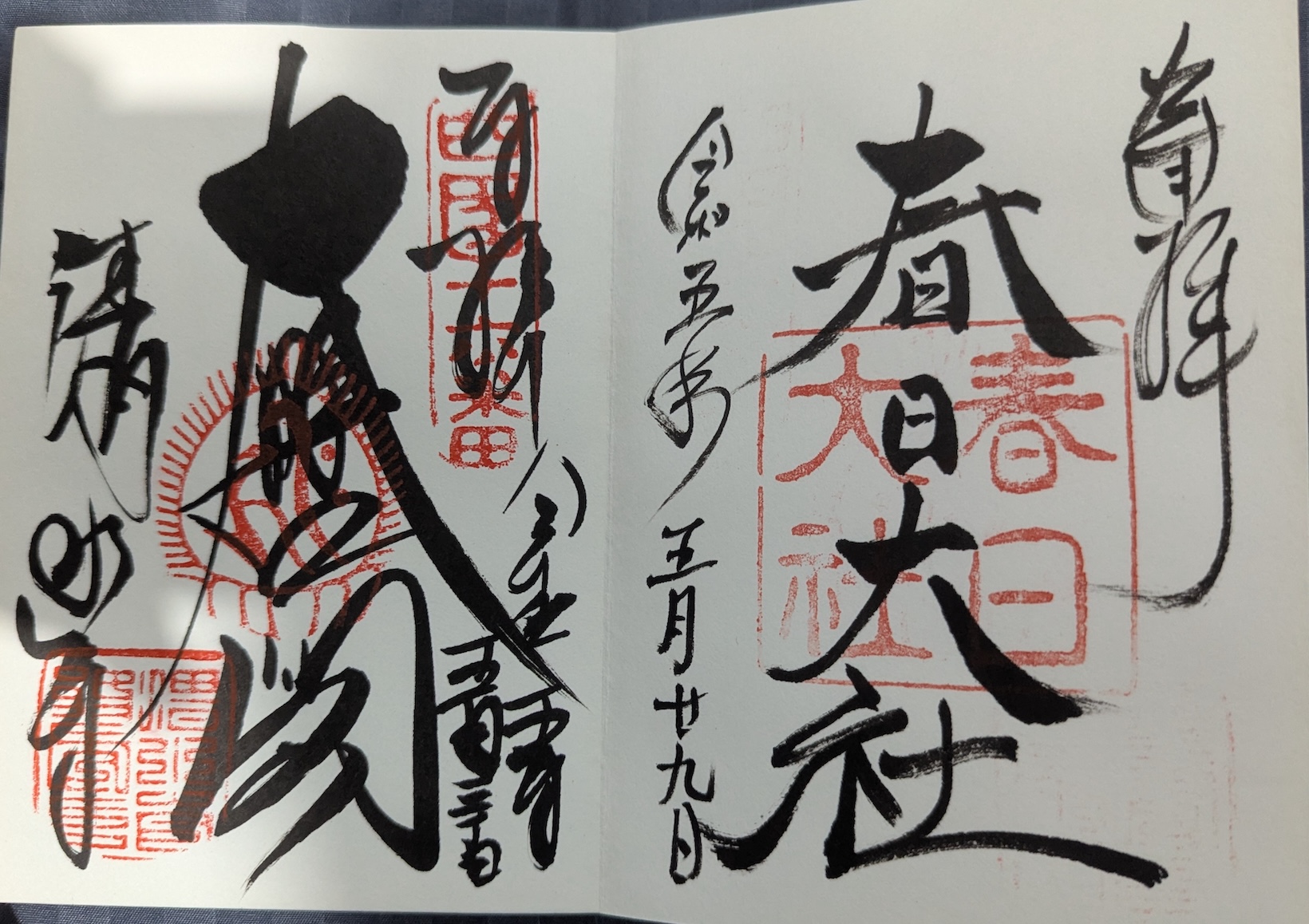
A goshuin (御朱印) is a special seal and calligraphic inscription that visitors can receive at many Buddhist temples and Shinto shrines throughout Japan. A typical goshuin combines one or more red seals with handwritten Japanese calligraphy. Depending on the temple or shrine, the calligraphy may include the temple or shrine’s name, the name of a Buddhist deity or another sacred reference, and the date of your visit.
Some locations also offer more elaborate versions featuring illustrations, seasonal motifs, colorful artwork, or special designs created for festivals and commemorative events. Receiving a goshuin can serve as a meaningful record of your visit to a temple or shrine.
What Is a Goshuincho
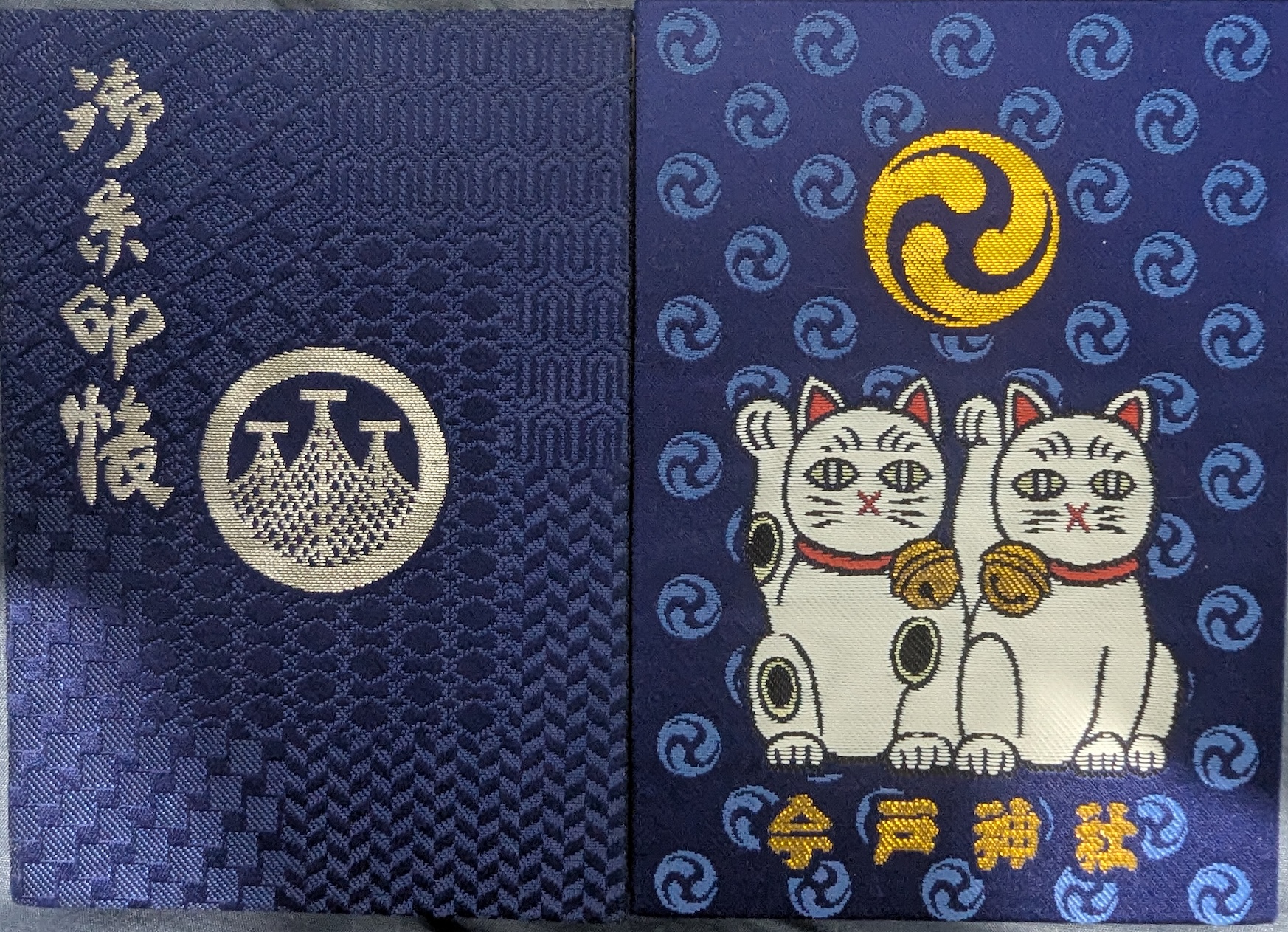
A goshuincho (御朱印帳) is a special book designed specifically for receiving and keeping goshuin. It has thick, accordion-style pages that unfold continuously, where the goshuin is written. Here is how the goshuin looks when you unfold it:
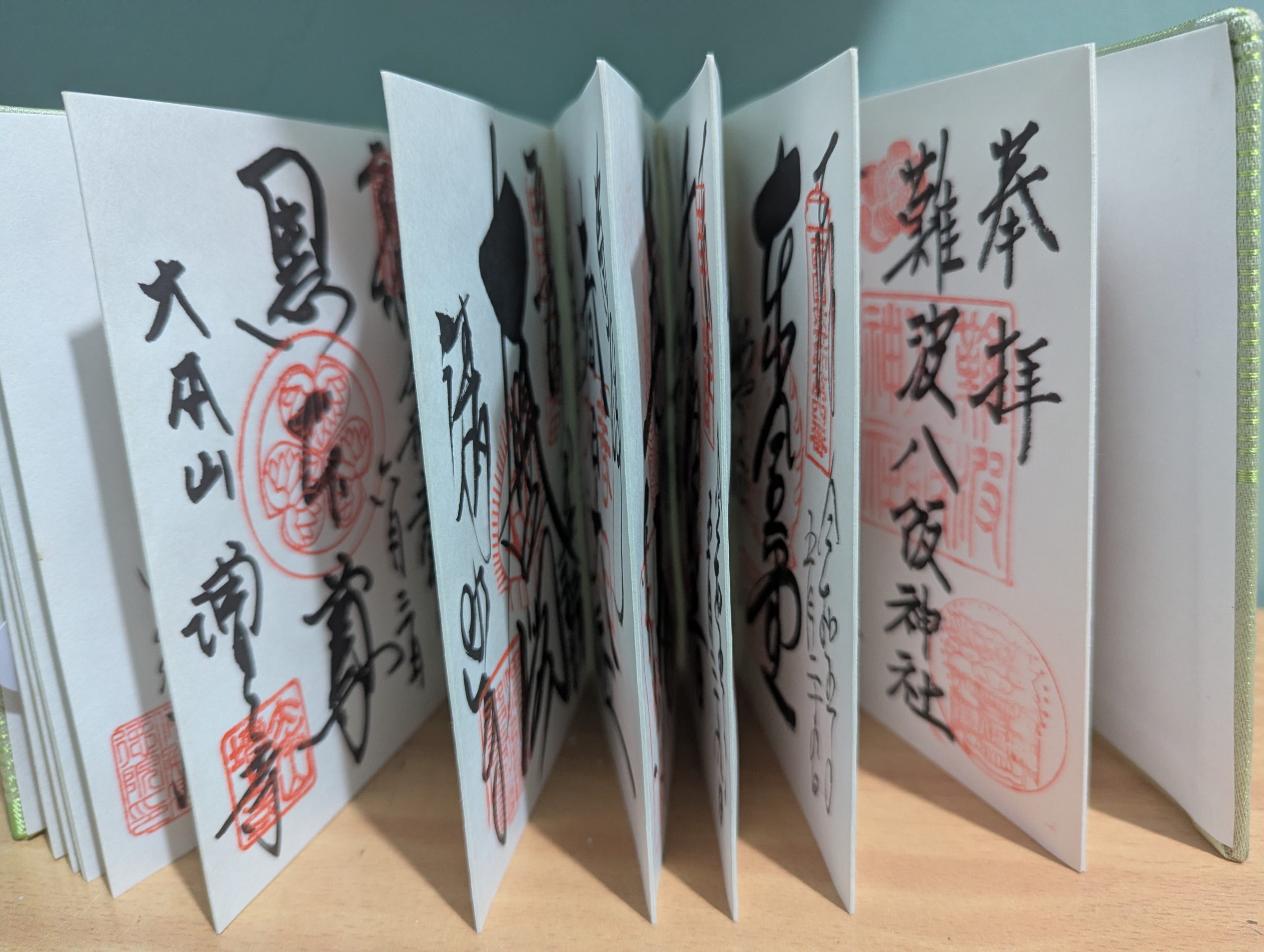
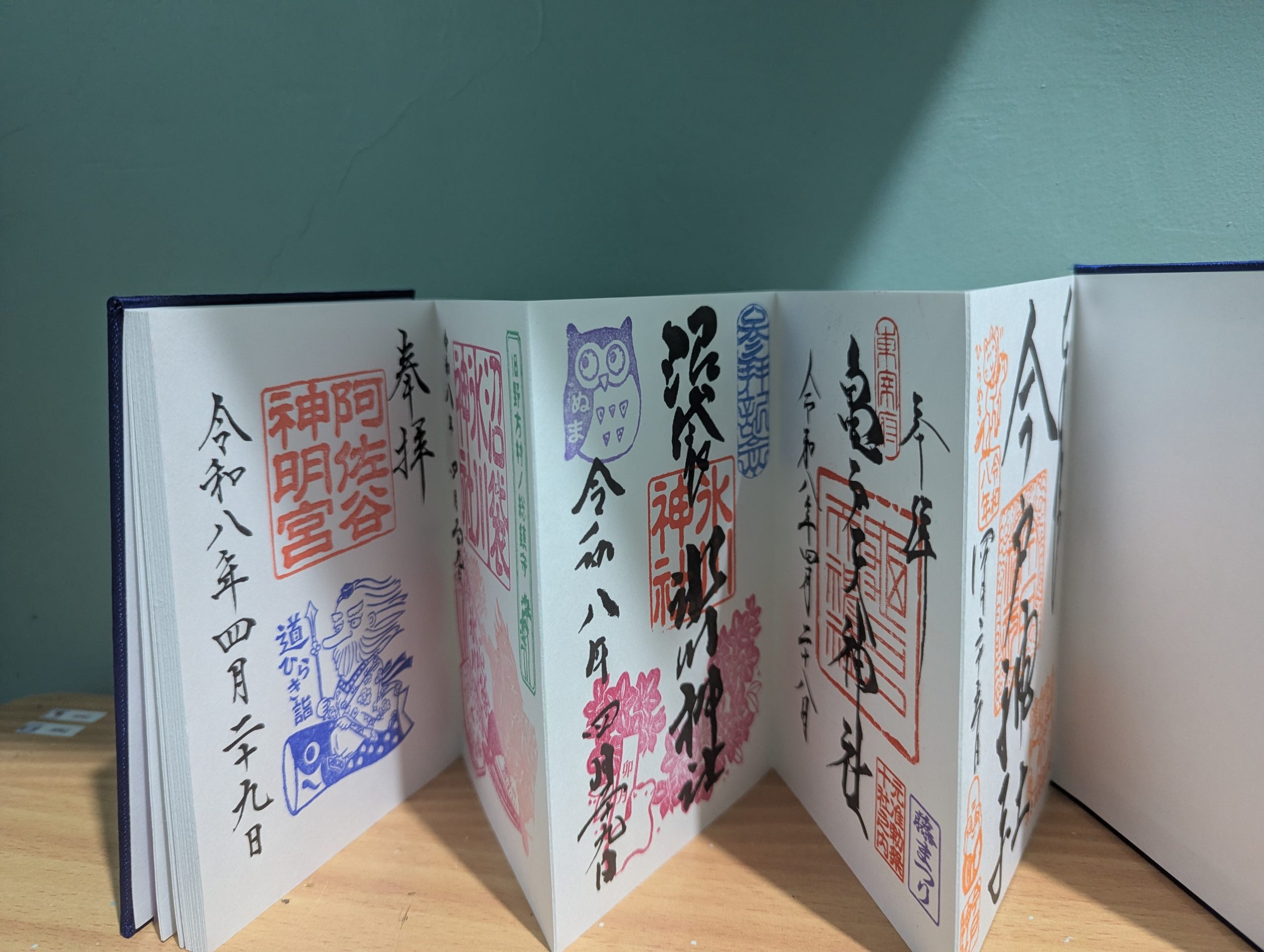
You can use the back pages of the goshuincho, so you can put more goshuin, but I prefer to use only the front page because the ink might bleed, and it can ruin the goshuin.
It is best to keep a dedicated goshuincho rather than using an ordinary notebook. You should also remember not to mix goshuin with regular tourist stamps. Shrines and temples might refuse to give you a goshuin if your notebook has stamps other than goshuin.
Most shrines and temples have their own goshuincho, but you are not required to buy one if you already have a goshuincho. They come in many different cover designs, ranging from traditional Japanese patterns and simple fabrics to colorful illustrations and artwork inspired by temples or shrines. You may also encounter seasonal or limited-edition goshuincho available only during certain festivals, anniversaries, or times of the year.
As you travel through Japan and fill the pages, the goshuincho itself becomes more than just a place to keep goshuin. It can become your personal keepsake filled with memories of the temples, shrines, cities, and places you visited.
Where Can You Buy a Goshuincho

If you don’t have a goshuincho yet, one of the easiest places to buy a goshuincho is directly from a Buddhist temple or Shinto shrine. It often features designs connected to the location, making it especially meaningful for your collection.
You can also find goshuincho at stationery stores and specialty shops like Hands and Loft. These are a good option if you want more choices, with designs ranging from traditional Japanese patterns to modern and colorful covers.
Prices vary by design and location, but a standard goshuincho typically costs ¥1,000 (about $7) to ¥2,500 (about $15), while limited-edition goshuincho can cost more. If you buy a goshuincho in a temple or shrine, the first goshuin is usually included in the price you have to pay.
How to Get a Goshuin in Japan: Step-by-Step
Getting a goshuin is easy, and even if you don’t speak Japanese, you won’t encounter any issues. Here are the steps on how you can get a goshuin from a temple or shrine:
Step 1: Visit a Temple or Shrine

When you visit a temple or shrine to receive a goshuin, remember that the sacred place itself should be the main purpose of your visit. Do not head straight to the goshuin counter. Show your respects to the shrine or temple.
If you are a first-time visitor, you can opt to visit a larger temple or shrine, such as Sensoji Temple in Asakusa and Meiji Jingu in Shibuya if you are in Tokyo, or the Namba Yasaka Shrine in Osaka. A goshuin is connected to your visit to a sacred place, so consider receiving one as a part of your overall temple or shrine experience rather than simply another souvenir to collect.
Step 2: Pay Your Respects
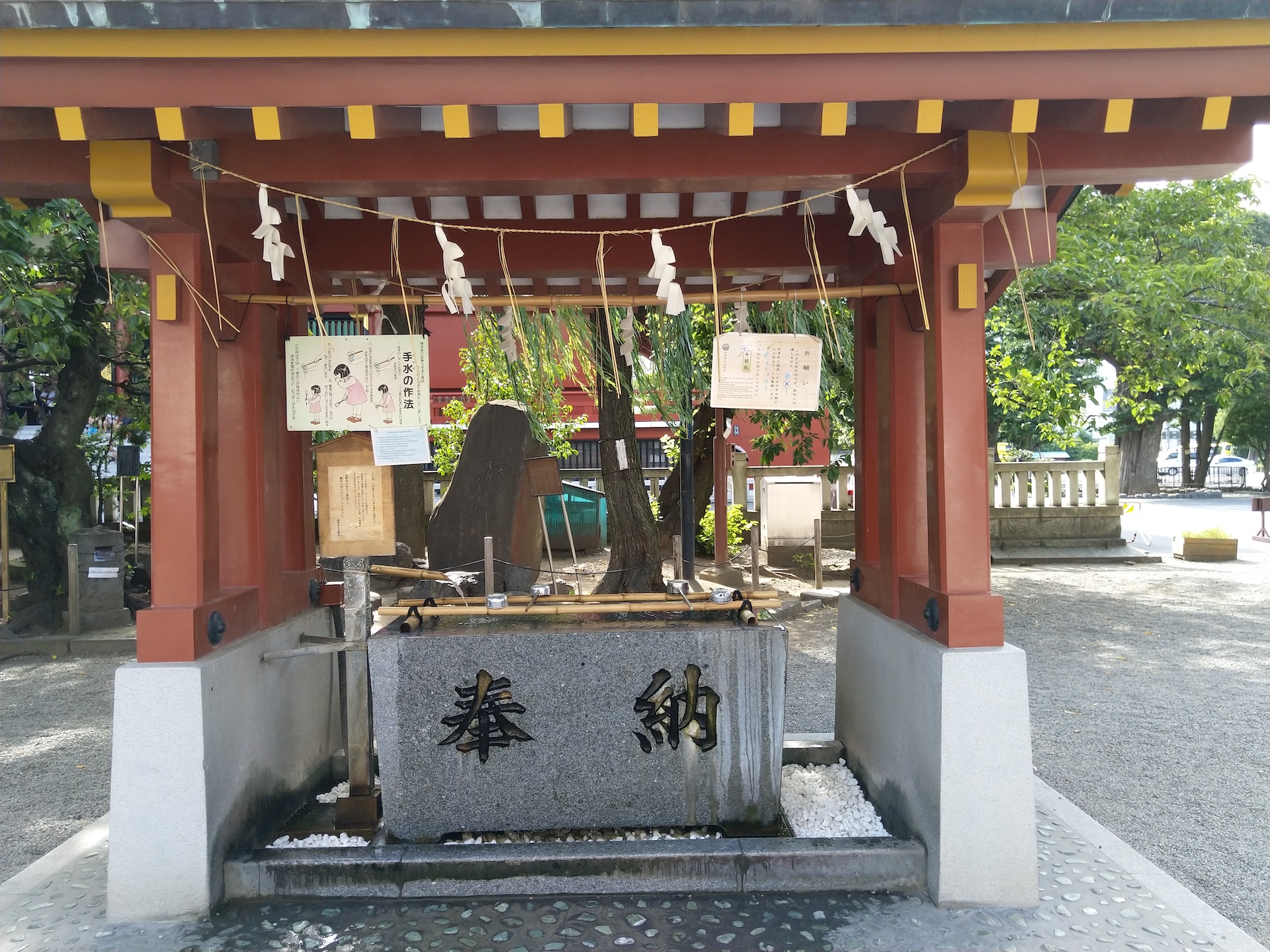
Before requesting a goshuin, take a moment to pay your respects at the temple or shrine. The customs differ slightly between Buddhist temples and Shinto shrines, so follow the etiquette appropriate to the site you are visiting.
At a Shinto shrine, you have to bow before entering through the torii gate, purify your hands at the chozuya if available, and then approach the main worship area. A common prayer method is to bow twice, clap twice, offer your prayer, and finish with one final bow, although practices can vary between shrines.

At a Buddhist temple, you should bow respectfully when entering the grounds and approach the main hall to pay your respects. If there is an offering box, you may make a small offering and quietly pray. Unlike at Shinto shrines, you should not clap your hands when praying at a Buddhist temple. Once you have paid your respects and explored the site, you can proceed to the goshuin counter to request your goshuin.
Step 3: Find the Goshuin Counter
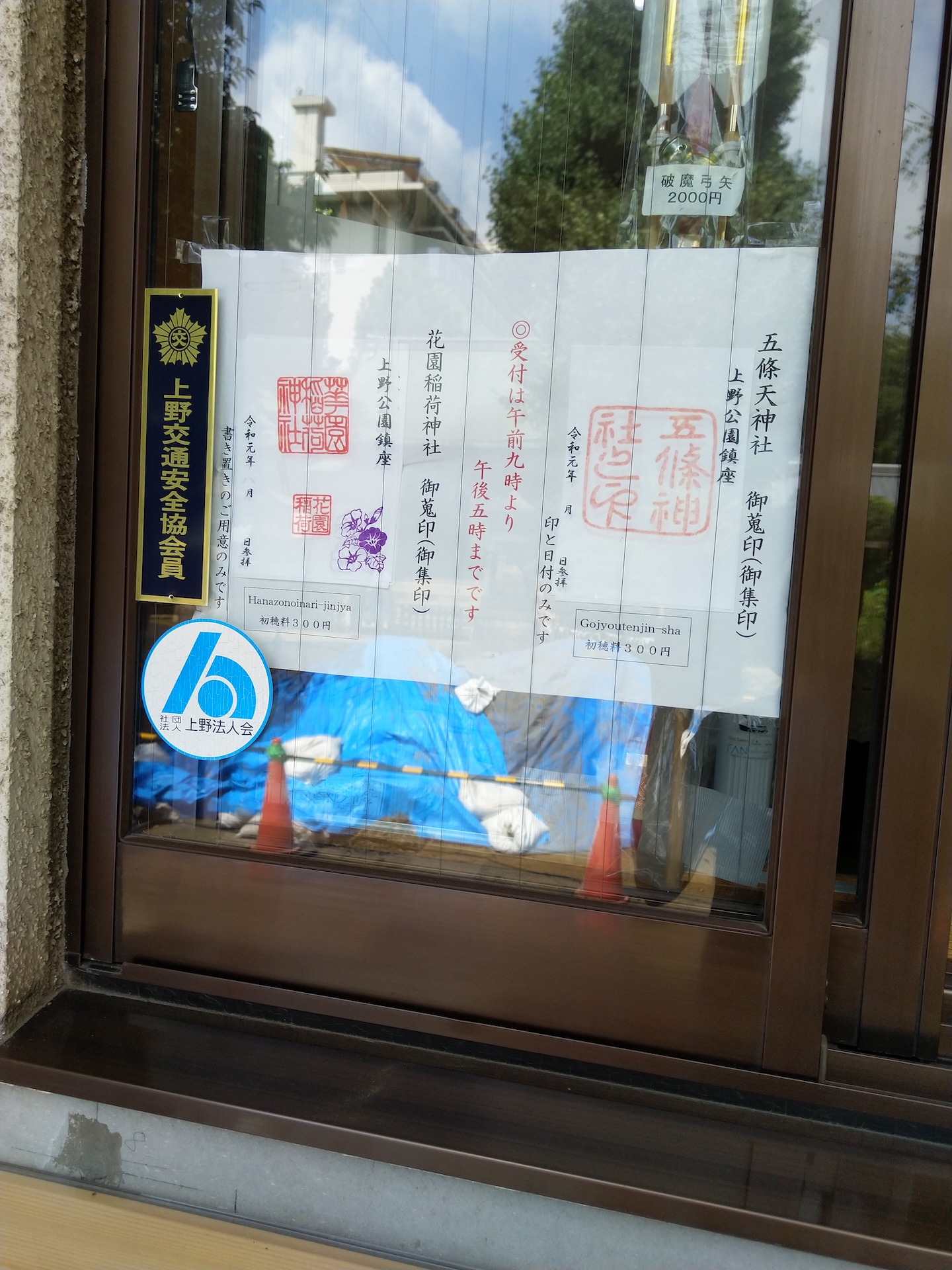
After paying your respects, look for the area where goshuin are issued. The counter may be called a goshuinjo (御朱印所), while at Shinto shrines it is often located at the shamusho (社務所), or shrine office. Sometimes the goshuin counter is in a different office, or it may be next to where you get the omamori and omikuji. If you are at a well-known shrine or temple, you can see people lined up, holding their goshuincho.
Look for signs displaying 御朱印, which can help you locate the correct counter even if there is little or no English signage. At popular temples and shrines, there may also be displays showing the current goshuin designs, along with their prices.
If you are unsure where to go, you can ask the staff to point you in the right direction. The goshuin counter hours may be shorter than the temple or shrine’s opening hours, so check the schedule when planning your visit.
Step 4: Present Your Goshuincho
When you reach the goshuin counter, have your goshuincho open to the page where you would like the goshuin written. This makes it easier for the temple or shrine staff and helps avoid confusion about which page to use. Then, hand the open goshuincho to the staff with both hands if possible and politely say: Goshuin o onegaishimasu (御朱印をお願いします) “Goshuin, please.”
There are temples and shrines that offer several goshuin designs, so you may be asked to choose which one you would like before handing over your book. You can check the available designs on display while you are lined up. You can choose more than one, so if the temple or shrine has a limited edition goshuin, you can get one of those.
Step 5: Pay the Goshuin Fee
Receiving a goshuin usually requires a small fee, commonly around ¥300 to ¥500 (about $2-$3), although many now cost ¥500 or more. Special, seasonal, illustrated, or limited-edition goshuin may be more expensive, with prices varying between temples and shrines.
Most temples and shrines accept cash only, so carry coins and small-denomination yen, such as ¥100 and ¥500 coins or ¥1,000 notes. The price is usually displayed near the goshuin counter. If several designs are available, check the display carefully, as each type may have a different fee.
Step 6: Wait for Your Goshuin
After handing over your goshuincho, you may be able to watch as the temple or shrine staff write the calligraphy and apply the seals directly on your goshuincho. But for busier locations, you may receive a number or ticket and be asked to wait nearby until your goshuincho is ready.
Be reminded that not all goshuin are written directly into your goshuincho. Many temples and shrines shifted to pre-written goshuin on separate sheets of paper after the COVID-19 pandemic. You can attach it to a page in your goshuincho. Pre-written versions are particularly common for elaborate designs, seasonal goshuin, special events, or during busy periods.
While waiting, be patient and avoid rushing the staff. If the goshuin is being written in front of you, remember that you are watching a traditional practice, so avoid taking photos or videos unless permitted.
Step 7: Receive Your Goshuincho Respectfully
When your goshuin is finished, receive it using both hands, and thank the temple or shrine staff. A simple “Arigatou gozaimasu” (ありがとうございます), meaning “thank you very much,” is enough. If the goshuin was written directly into your goshuincho, the ink may still be wet. Avoid touching the page or immediately closing the goshuincho to prevent the ink from smudging or transferring onto the opposite page. A sheet of protective paper is placed between the pages, but it is still a good idea to let the ink dry.
Handwritten vs. Pre-Written Goshuin
When receiving a goshuin in Japan, it can be either written directly into your goshuincho or provided on a separate sheet of paper. Both are common, and what you receive depends on the temple or shrine, the particular design, and sometimes the time of year.
Handwritten Goshuin
A handwritten goshuin is created directly on a page of your goshuincho. The temple or shrine staff typically write the goshuin using a brush and black ink. Because it is done by hand, there can be slight variations between goshuin even when they come from the same location. Here is an example of a handwritten goshuin I received:
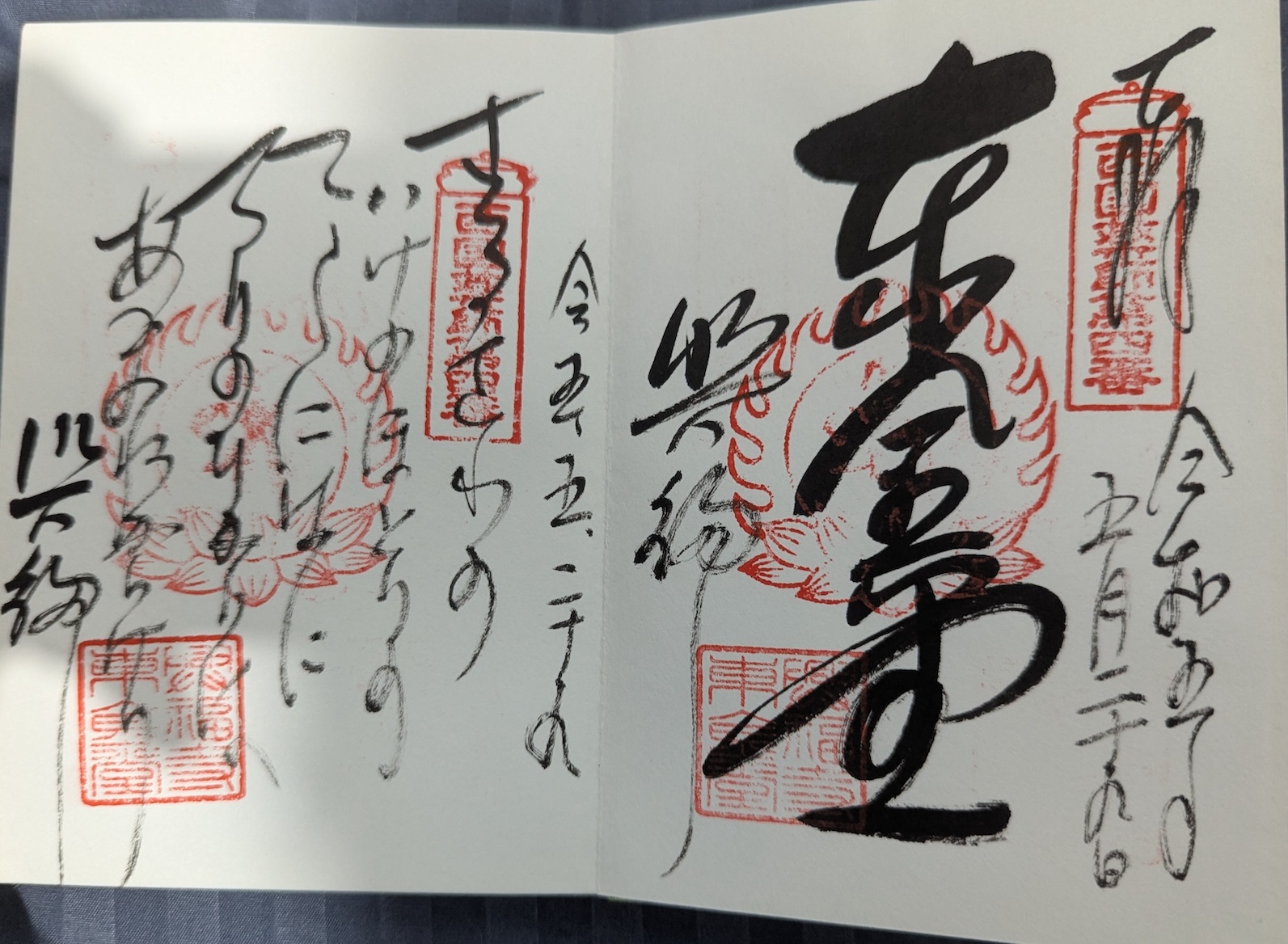
These two were from Kofukuji Temple. I admit they weren’t the nicest ones, but it’s pretty understandable since the temple is big and there are many visitors lining up to get the goshuin. Still, how the goshuin looks depends on the person writing it, so you may get a better-written goshuin than mine at the same temple.
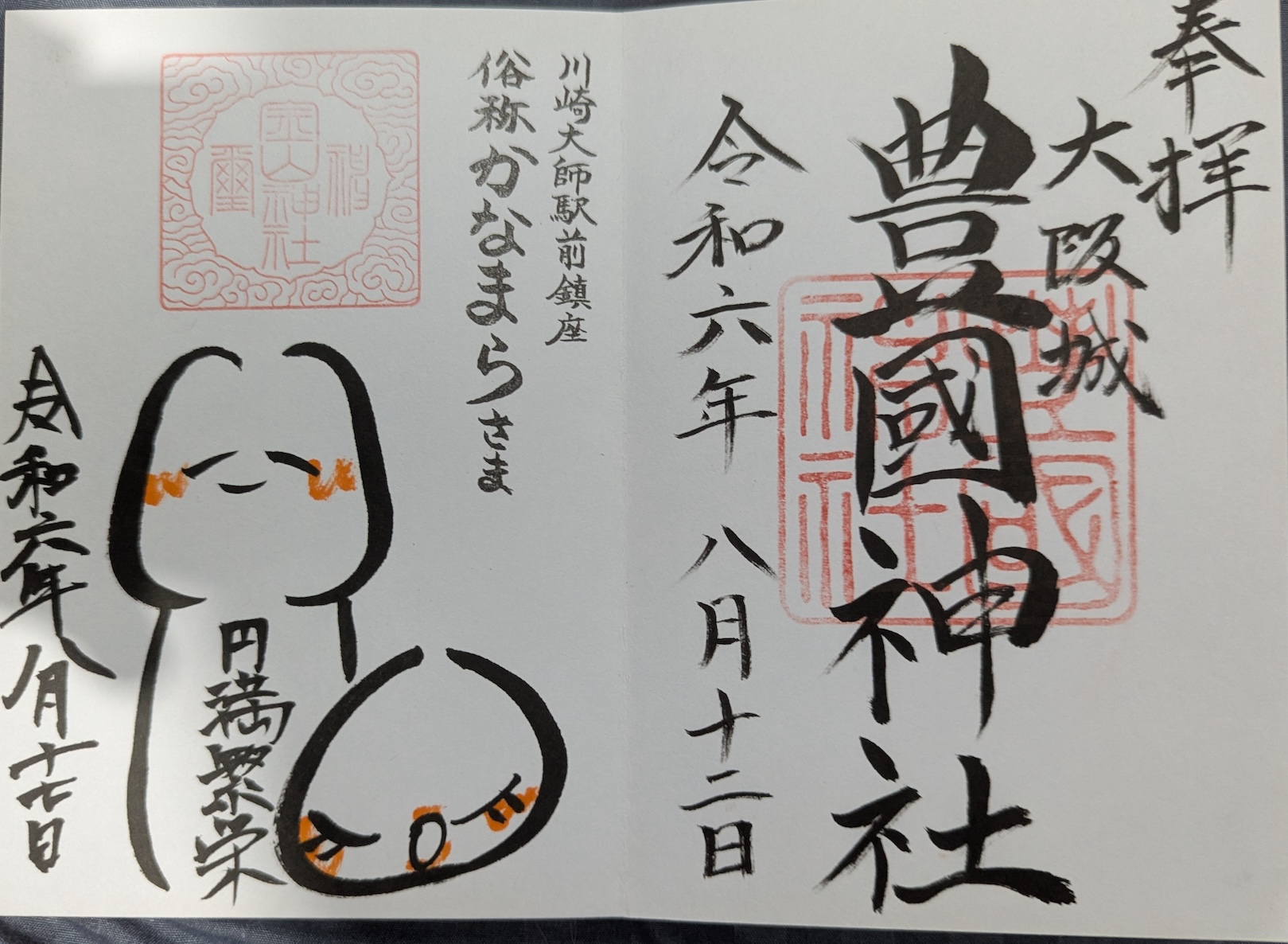
Here’s a quirky goshuin (left) from Kanayama Shrine in Kanagawa. The shrine is also known as Kanamara-sama, which is the site of Kanamara Festival. It is Japan’s most famous festival. The goshuin features a man’s genitals.
The goshuin on the right is from Hokoku Shrine in Osaka. It is a simple goshuin with the shrine’s name and the date of the visit written on it.

These two goshuin are from Shitaya Shrine located in Ueno, Tokyo. The panda design is a monthly limited edition goshuin. Depending on the season, the panda design varies.
Pre-Written Goshuin
A pre-written goshuin is usually provided on a separate piece of paper and is commonly referred to as kakioki (書き置き). Instead of having the goshuin written directly to your goshuincho, you receive a prepared sheet that can later be carefully attached to your book.
In the past, temples and shrines only offered kakioki for seasonal, limited-edition, illustrated, or elaborate goshuin that require more preparation. The usual goshuin design was handwritten, but after the COVID-19 pandemic, many temples and shrines shifted to pre-written goshuin and have remained so to this day.
Receiving a pre-written goshuin does not make it less meaningful. It is simply another way temples and shrines provide goshuin, and travelers should not expect every location to write directly in their goshuincho. Here’s a pre-written goshuin I received:

The goshuin on the left is the regular goshuin offered at Imado Shrine in Taito City, Tokyo. It features a pair of maneki-neko, the shrines stamp, and the date of visit.
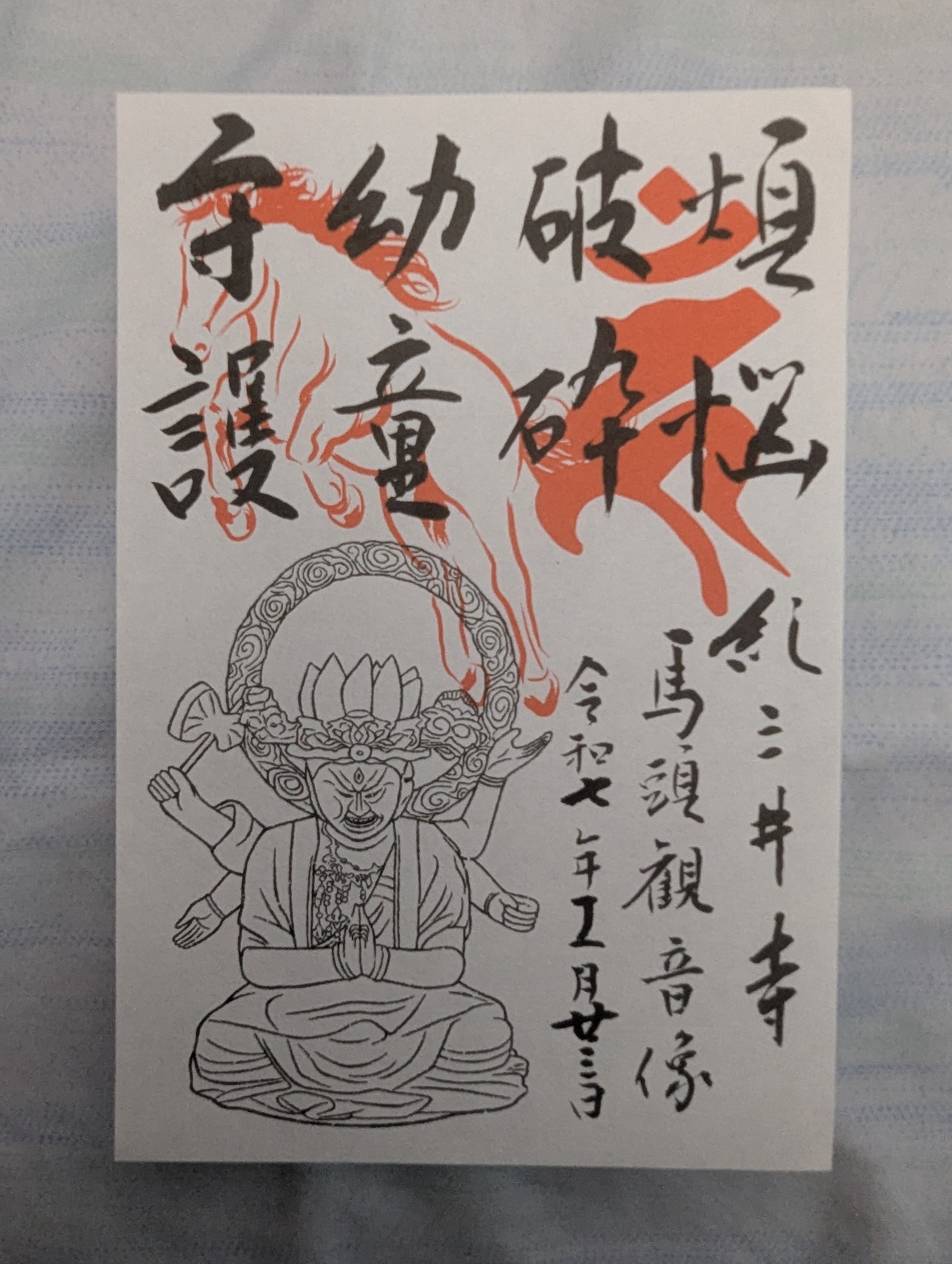
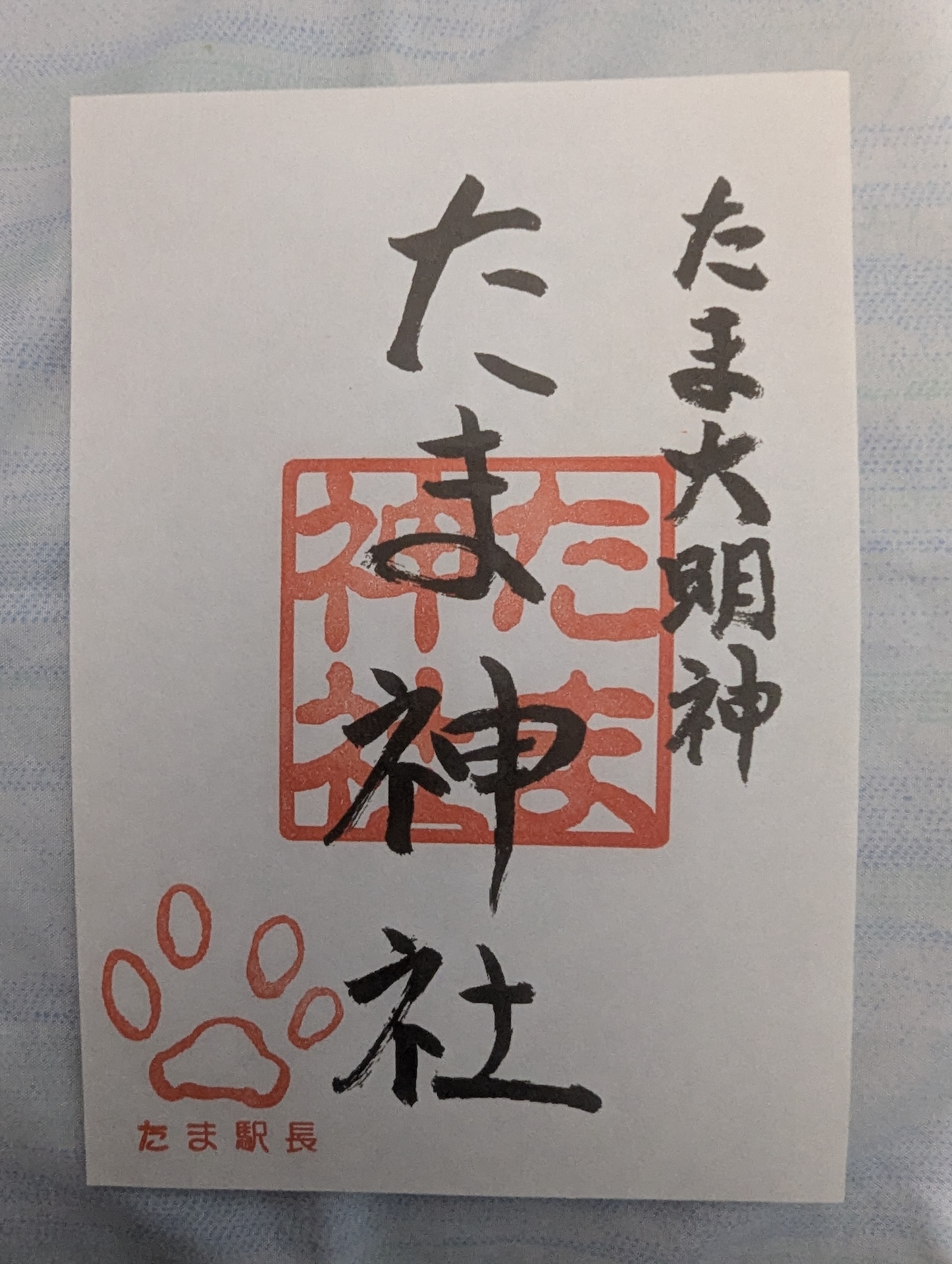
This pre-written goshuin was from Kimii-dera. It is a nice temple, but you need to climb the stairs that have 231 steps. Still, it was worth it because you can see a nice view of the city and buy some charms. I included this in my itinerary together with my trip to Kishi Station to meet the cat station master in Wakayama. And here is the goshuin at Tama Shrine:
Different Types of Goshuin You Can Find
One of the most interesting things about receiving goshuin in Japan is discovering just how different their designs can be. While many temples and shrines offer a traditional style throughout the year, others create seasonal, colorful, or limited designs that make each visit unique.
Traditional Goshuin
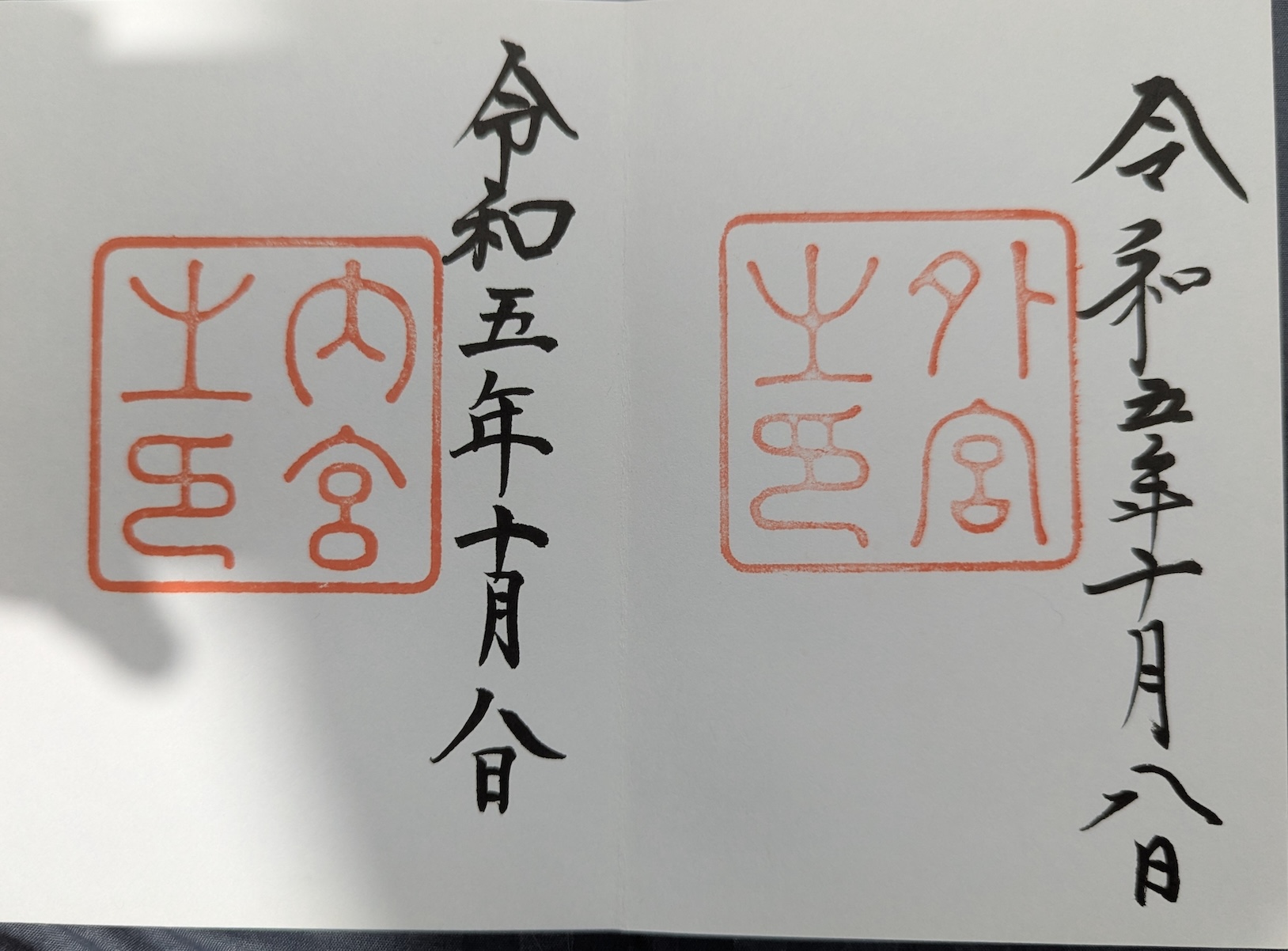
Traditional goshuin typically feature black handwritten calligraphy combined with one or more red seals. They may include the name of the temple or shrine, the date of your visit, and other religious inscriptions associated with the site.
Seasonal Goshuin
Some temples and shrines create goshuin inspired by the changing seasons. Designs may feature cherry blossoms in spring, hydrangeas in early summer, autumn leaves, or winter scenery. Note that certain designs may be available for only a few weeks or months.
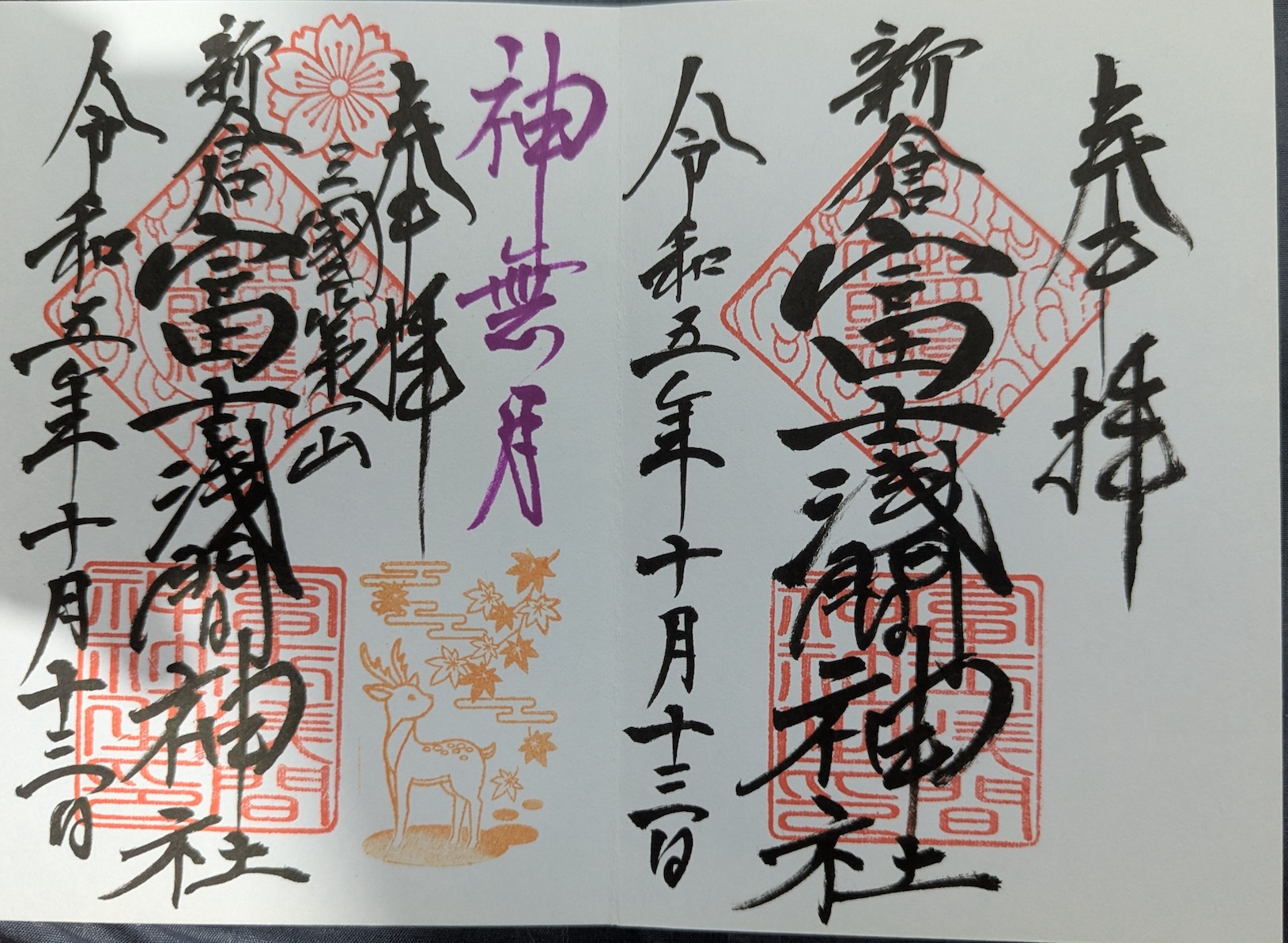
I got this goshuin when I went to Mt. Fuji. This is from Arakura Fuji Sengen Shrine. You can get a different design depending on the season. In this case, I went last October 2023, which was autumn, so the design is connected to the season.
Limited-Edition Goshuin
Limited-edition goshuin are available only for a specific period or in limited quantities. They may feature unique calligraphy, artwork, colors, or materials that differ from the location’s regular goshuin.
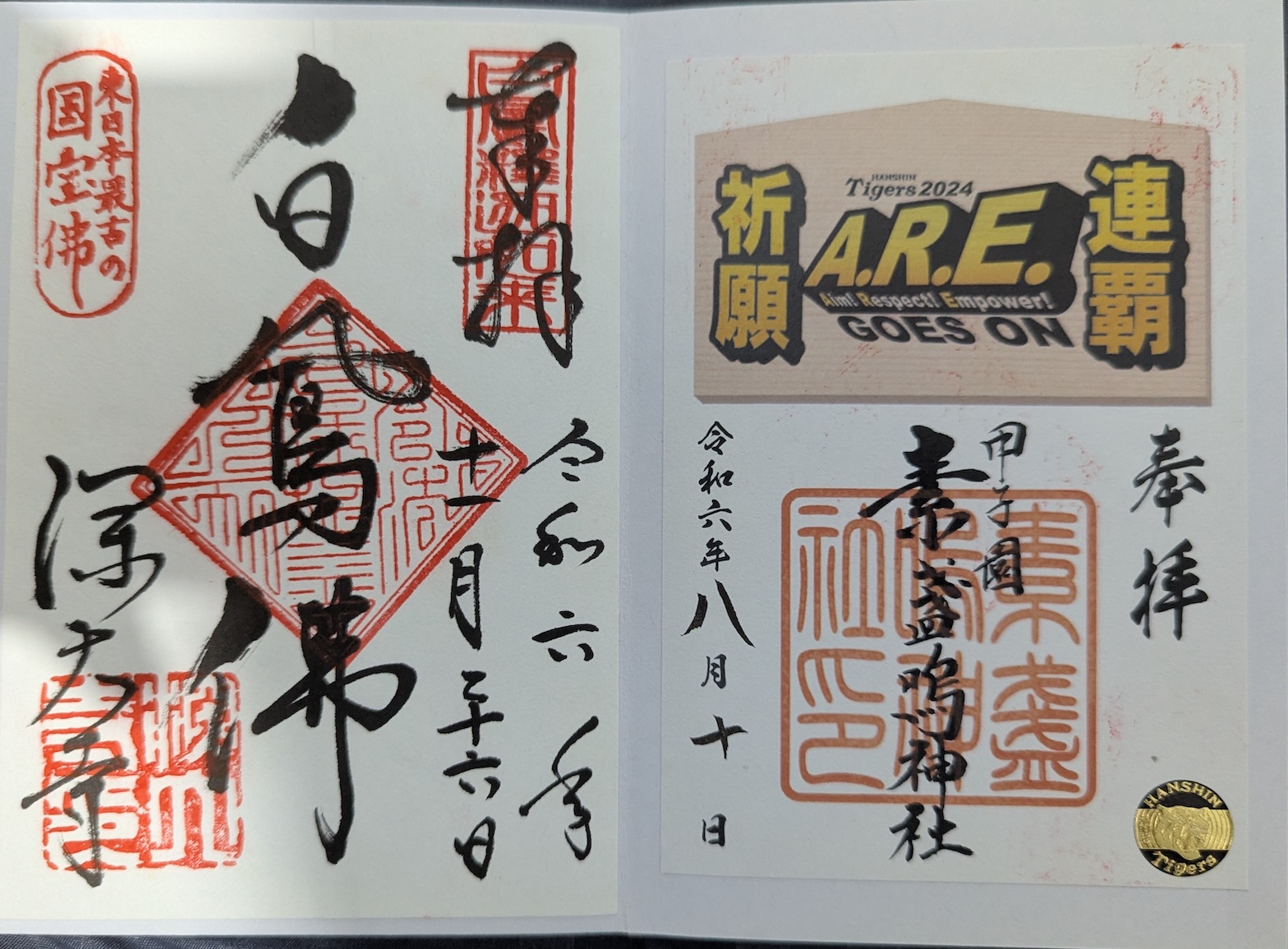
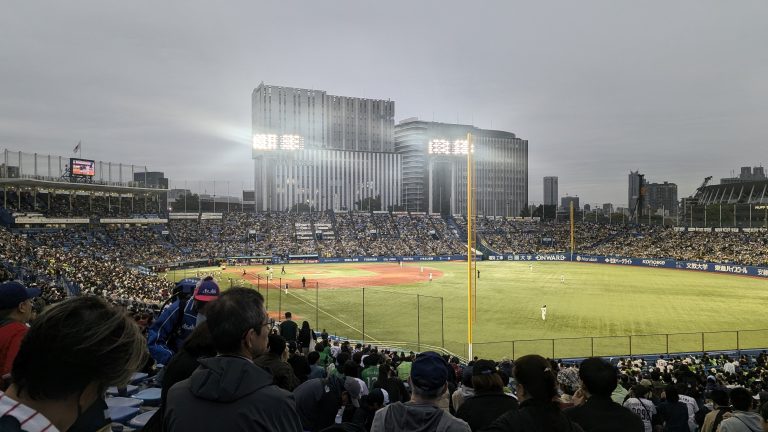
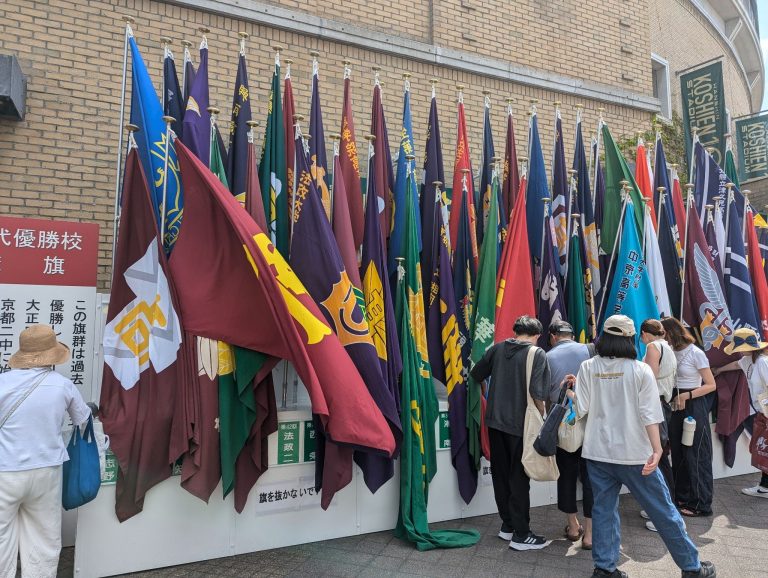
The goshuin on the right is a limited edition goshuin from Koshien Susanoo Shrine to commemorate Koshien Stadium’s 100th anniversary in 2024. This is also one of my favorites, being a fan of baseball, and it was also my first time watching Summer Koshien.
Festival Goshuin
During important festivals and celebrations, some temples and shrines offer special goshuin to mark the occasion. These may include festival-related inscriptions, illustrations, or the event date.
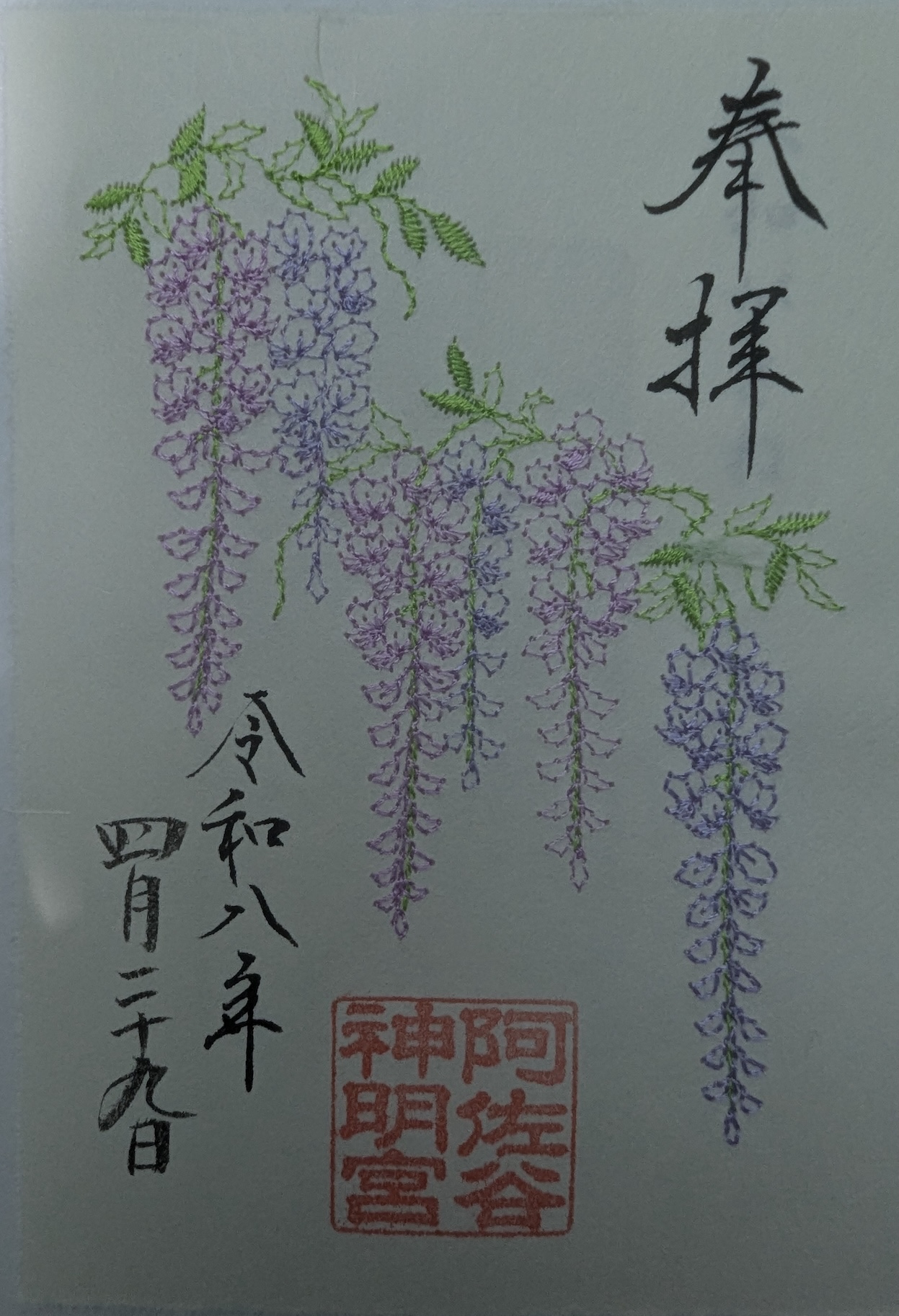
This special goshuin is from Asagaya Shinmeigu in Tokyo. It is an embroidered seasonal goshuin featuring purple and pink wisteria flowers. This is called the Yamato-gasane.
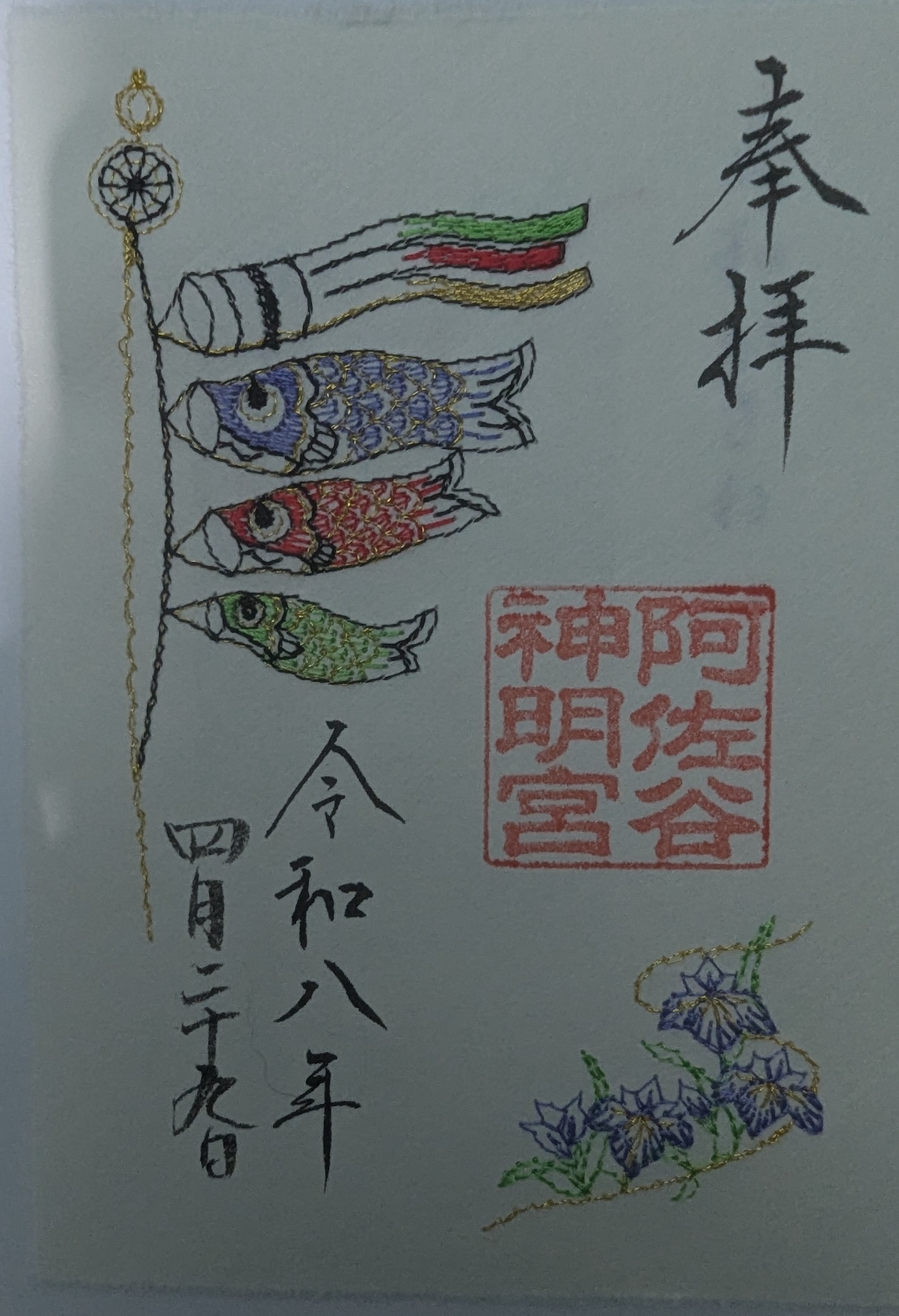
This goshuin is also from Asagaya Shinmeigu. It is a seasonal embroidered goshuin featuring carp streamers (koinobori) to celebrate Children’s Day. The paper used is also special, called washi paper.
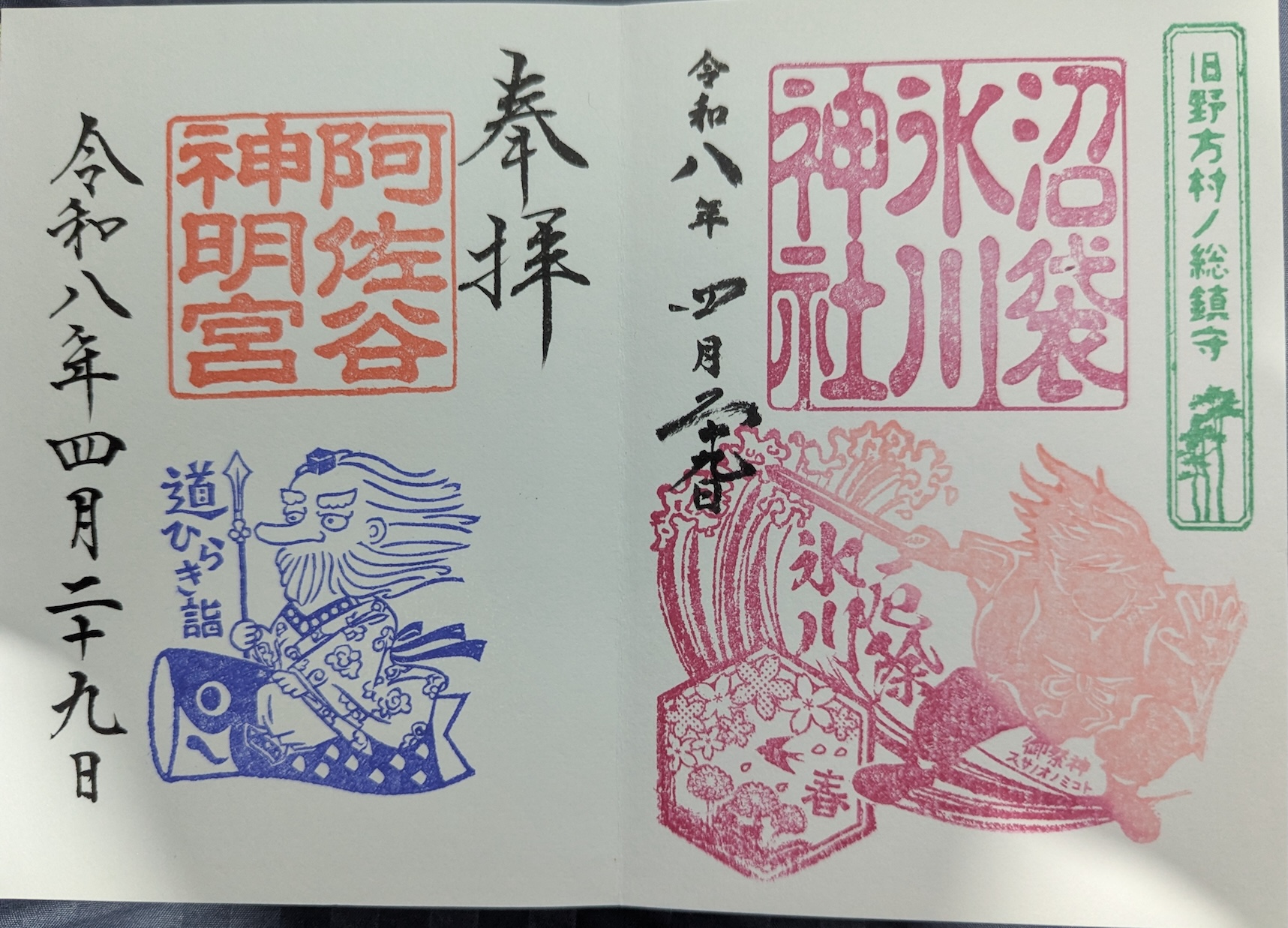
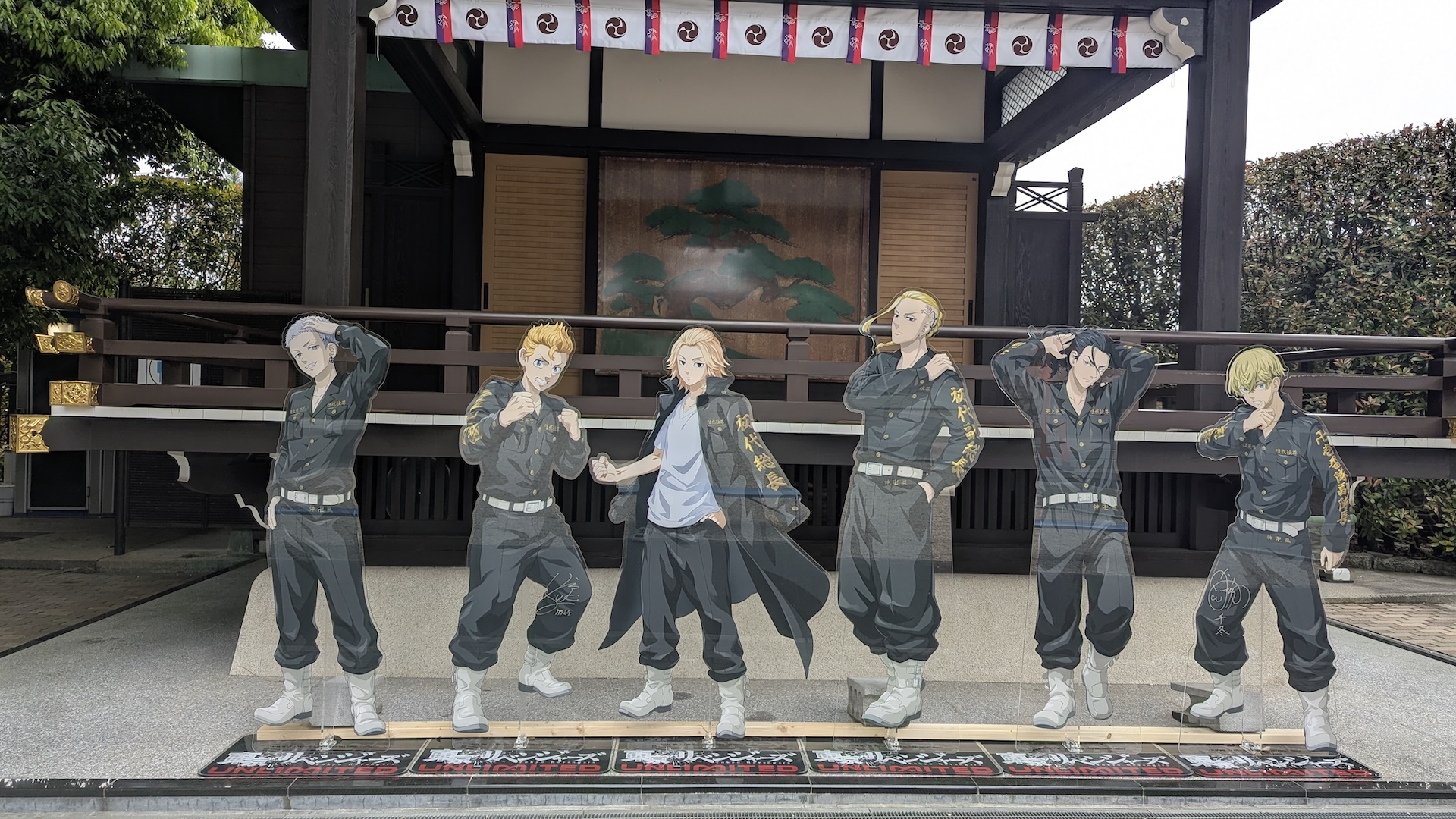
The goshuin on the left was from Asagaya Shinmeigu. This special goshuin was made for the Michihiraki-mode and was only available from April 29 to May 6. The goshuin on the right is from Numabukuro Hikawa Shrine. This shrine also has a collaboration with the anime Tokyo Revengers. So if you are a fan of this and will be visiting Japan soon, try to visit it and get your limited-edition goshuin. I wasn’t able to get those goshuin because they were already sold out. By the way, there were Tokyo Revengers character standees when I visited.
Anniversary and Commemorative Goshuin
Special goshuin may also be created to commemorate anniversaries, important religious events, renovations, or other milestones. Their availability can be limited to the period surrounding the event.

The goshuin on the right was a commemorative goshuin from Yasukuni Shrine. They celebrated their 150th founding anniversary on June 19, 2019.
Colorful and Illustrated Goshuin
While traditional goshuin are generally dominated by black calligraphy and red seals, modern designs can be much more colorful. Some incorporate flowers, animals, landscapes, religious imagery, or artwork connected to the temple or shrine.
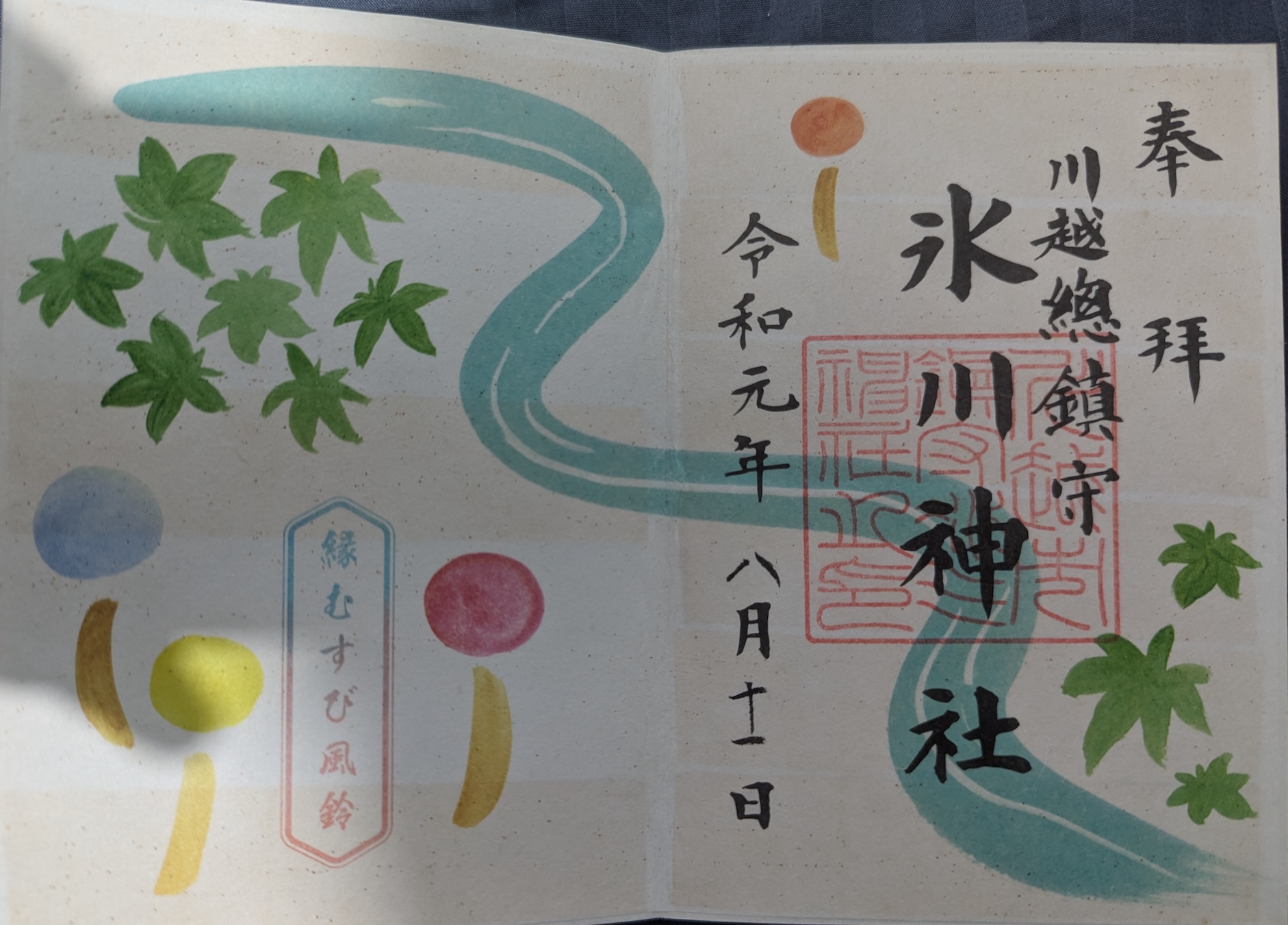
I got this goshuin at Hikawa Shrine when I visited Kawagoe in 2019. It was a double page and a pre-written goshuin. This was released during the summer season.

This goshuin was also from Kawagoe Hikawa Shrine with its new design. I got this when I visited last April 2026.
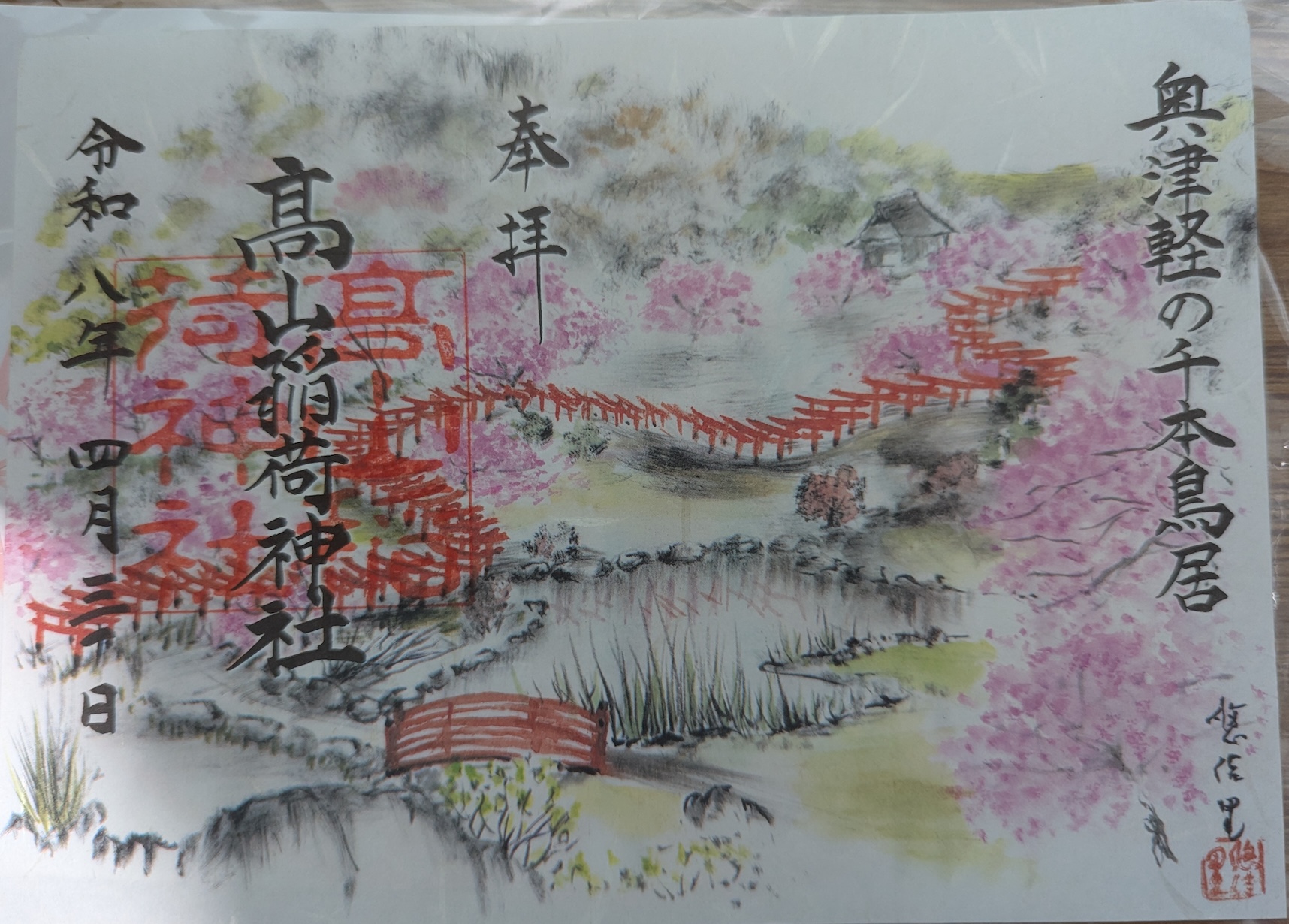
This goshuin is a seasonal watercolor goshuin from Takayama Inari Shrine in Aomori. This is different from the regular goshuin that they offer all year.
Cut-Paper Goshuin
Known for their intricate appearance, cut-paper goshuin use carefully cut or layered paper to create decorative patterns and illustrations. Because of their more elaborate construction, they are generally provided as separate sheets rather than written directly into a goshuincho.
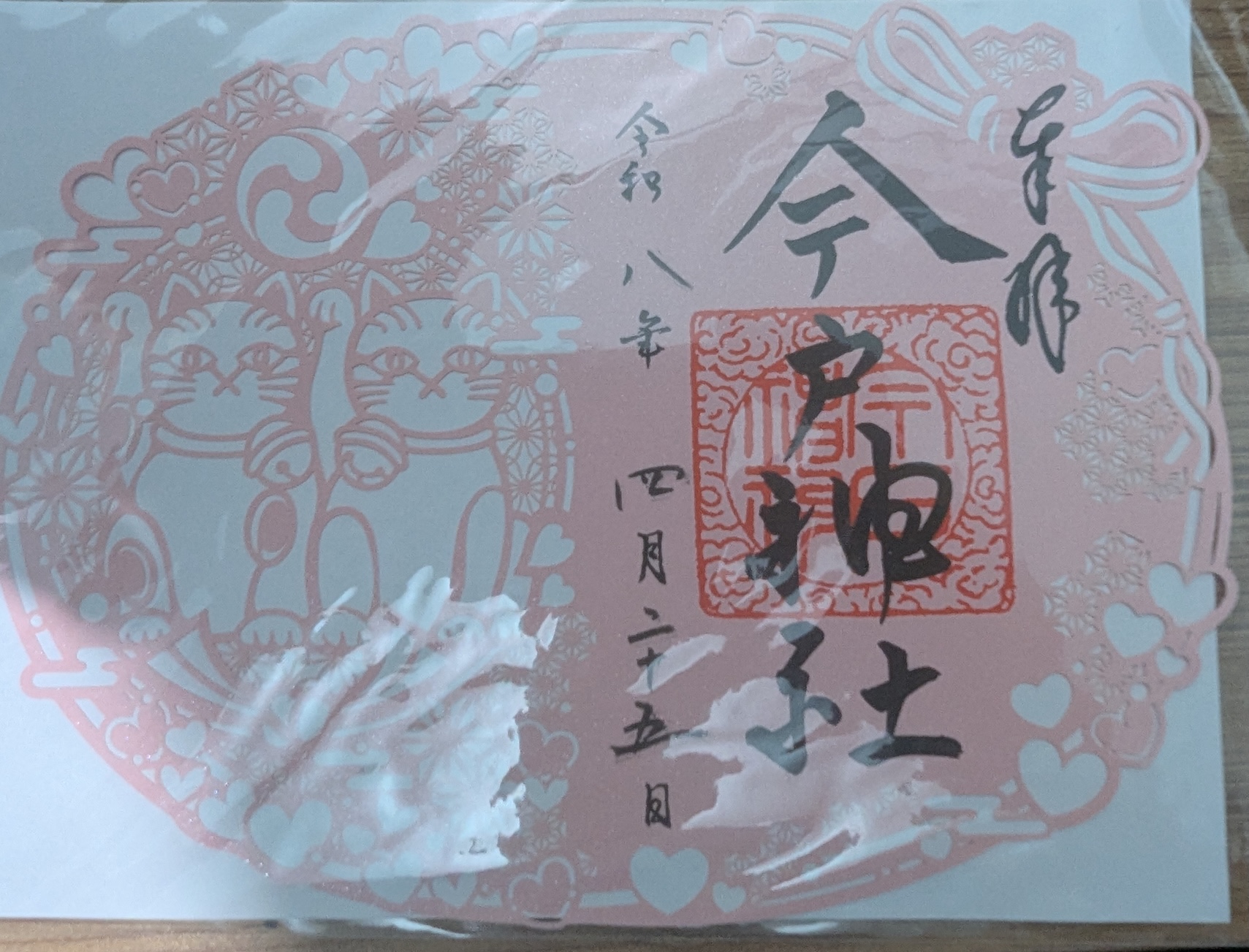
This goshuin is one of my favorites because I love cats. This is a limited edition paper-cut goshuin featuring a heart-and-cat design from Imado Shrine in Asakusa, Tokyo. If you are visiting Sensoji, you might as well visit Imado Shrine, especially if you are fond of cats.
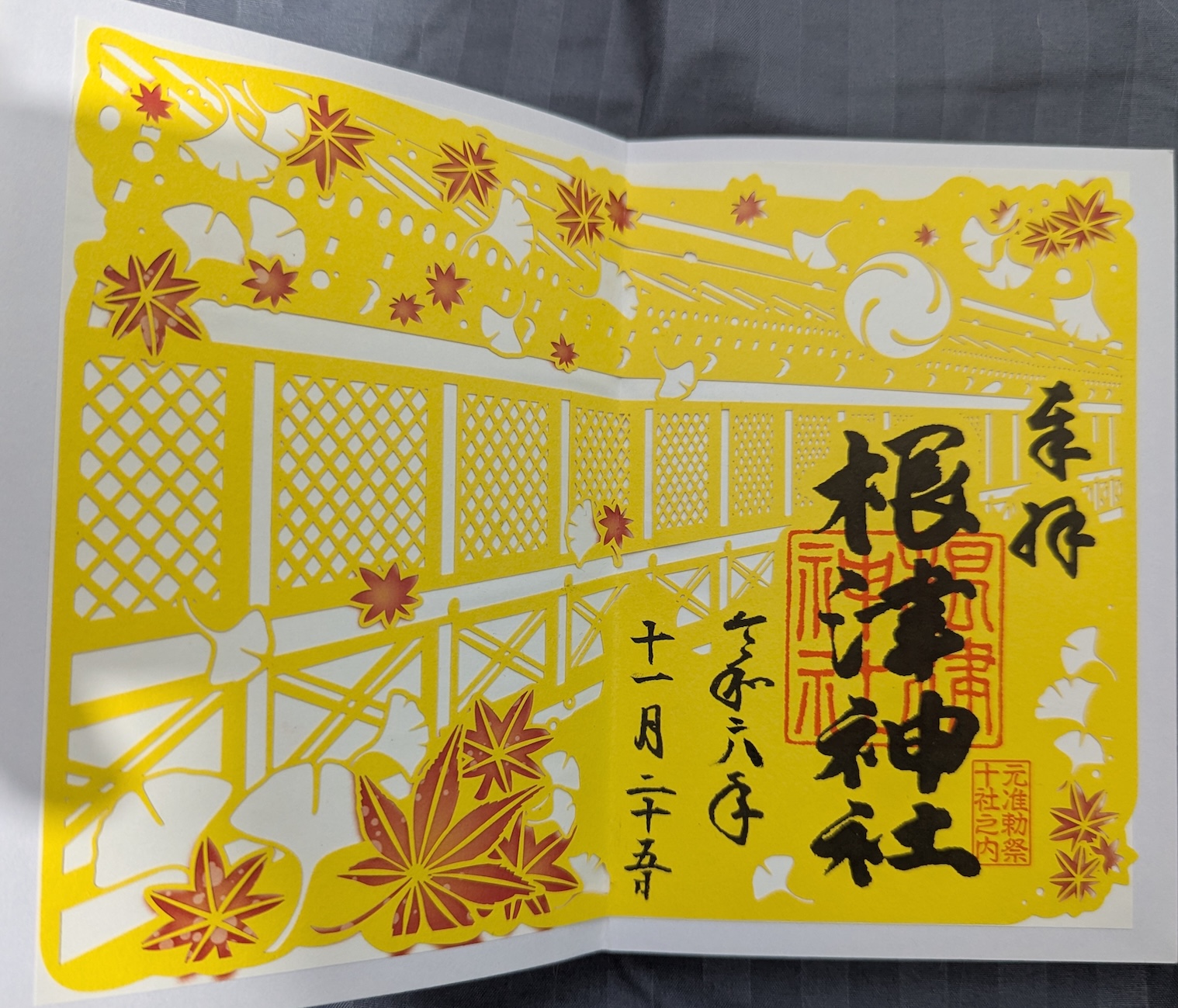
This is the limited edition autumn paper-cut goshuin from Nezu Shrine. I got this goshuin when I visited last November 2023. If you are in Tokyo, you can visit Nezu Shrine and might be able to get some newly released limited-edition goshuin.
Double-Page Goshuin
Some designs are large enough to extend across two facing pages of a goshuincho. These double-page goshuin provide more space for elaborate calligraphy and illustrations and can be particularly striking when the book is opened fully.
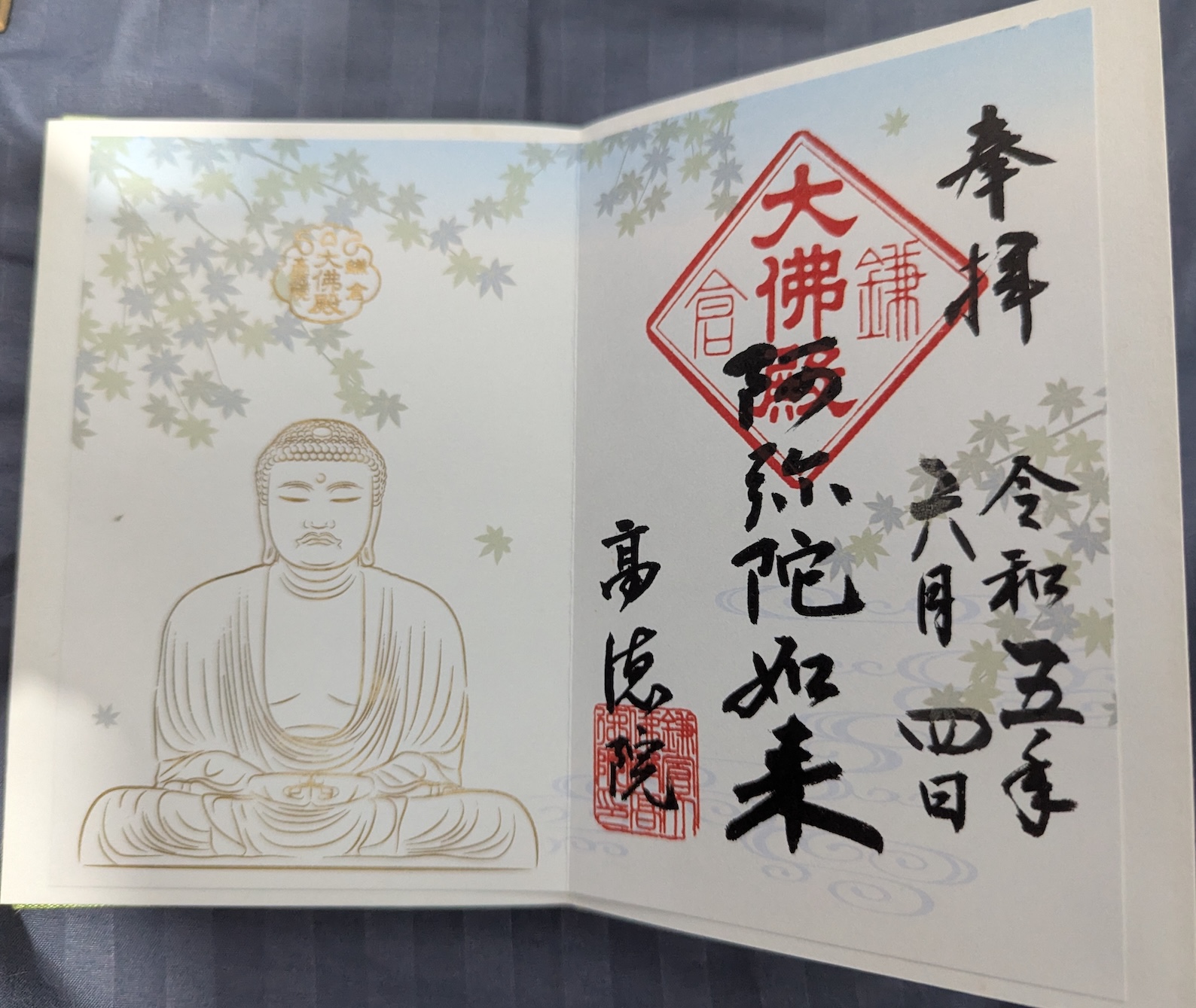
I got this double-page goshuin at Kotoku-in Temple when I visited Kamakura. It features an illustration of the famous Great Buddha. This one was also pre-written, so the staff will just hand this out to you instead of the goshuin being written on your goshuincho.
There are many types of goshuin, so if the temple or shrine you are visiting offers more than one design, choose the one you like best. Special goshuin are not necessarily available year-round. In addition, designs, prices, and availability can change throughout the year, especially for seasonal and limited editions. If there is a particular goshuin you hope to receive, check the temple or shrine’s official website or social media before visiting.
Can You Use the Same Goshuincho for Temples and Shrines?
You can use the same goshuincho for both Buddhist temples and Shinto shrines. Many visitors collect goshuin from both in a single book to create a chronological record of their visits throughout Japan. However, some collectors prefer to keep a separate goshuincho for Buddhist temples and another for Shinto shrines. This can make it easier to organize a collection and distinguish between the two traditions. What you should avoid is mixing the goshuin with other stamps, such as eki (train station) stamps, museum stamps, and other kinds of stamps. The staff may refuse to give you a goshuin if your goshuin has other kinds of stamps.
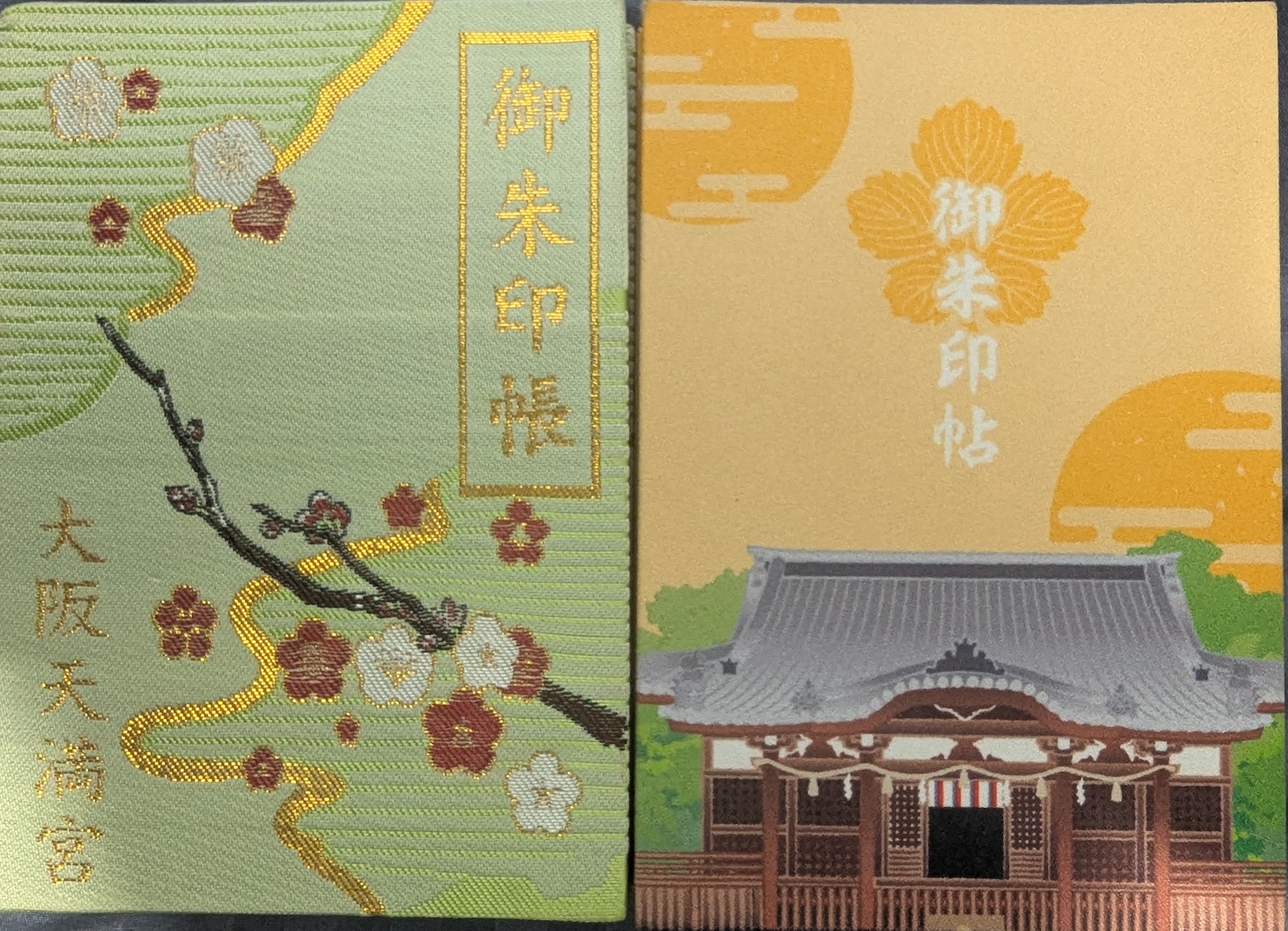
These are my third and fourth goshuincho, filled with goshuin. All the pages are filled, and I still have a lot of pre-written goshuin that I haven’t attached, so I am going to buy a new one when I visit Japan again.
Can You Get a Goshuin Without a Goshuincho?
You can still receive a goshuin even if you do not have a goshuincho with you. This is helpful for travelers who unexpectedly discover goshuin while visiting a temple or shrine and decide to start collecting them.
Some temples and shrines offer pre-written goshuin on separate sheets of paper, so you can get them even without a goshuincho. You can also buy a goshuincho at the temple or shrine you are visiting. Most temples and shrines sell their own goshuincho featuring designs specific to the location. You can purchase one and have your first goshuin added to it during the same visit. If you receive a pre-written goshuin, you can attach it to a page in your goshuincho using glue.
Keep in mind that some locations may only provide goshuin directly in a goshuincho, while others offer pre-written versions. If you arrive without a book, simply check the options displayed at the goshuin counter or politely ask a staff member.
Where to Find Goshuin in Japan
There are thousands of Buddhist temples and Shinto shrines throughout Japan, so there’s a high chance that the ones you visit will have a goshuin. You do not necessarily need to plan a trip specifically around goshuin collecting, as you can encounter them while visiting temples and shrines already on your itinerary. If you are visiting major cities in Japan, you can visit the famous shrines and temples.
Tokyo
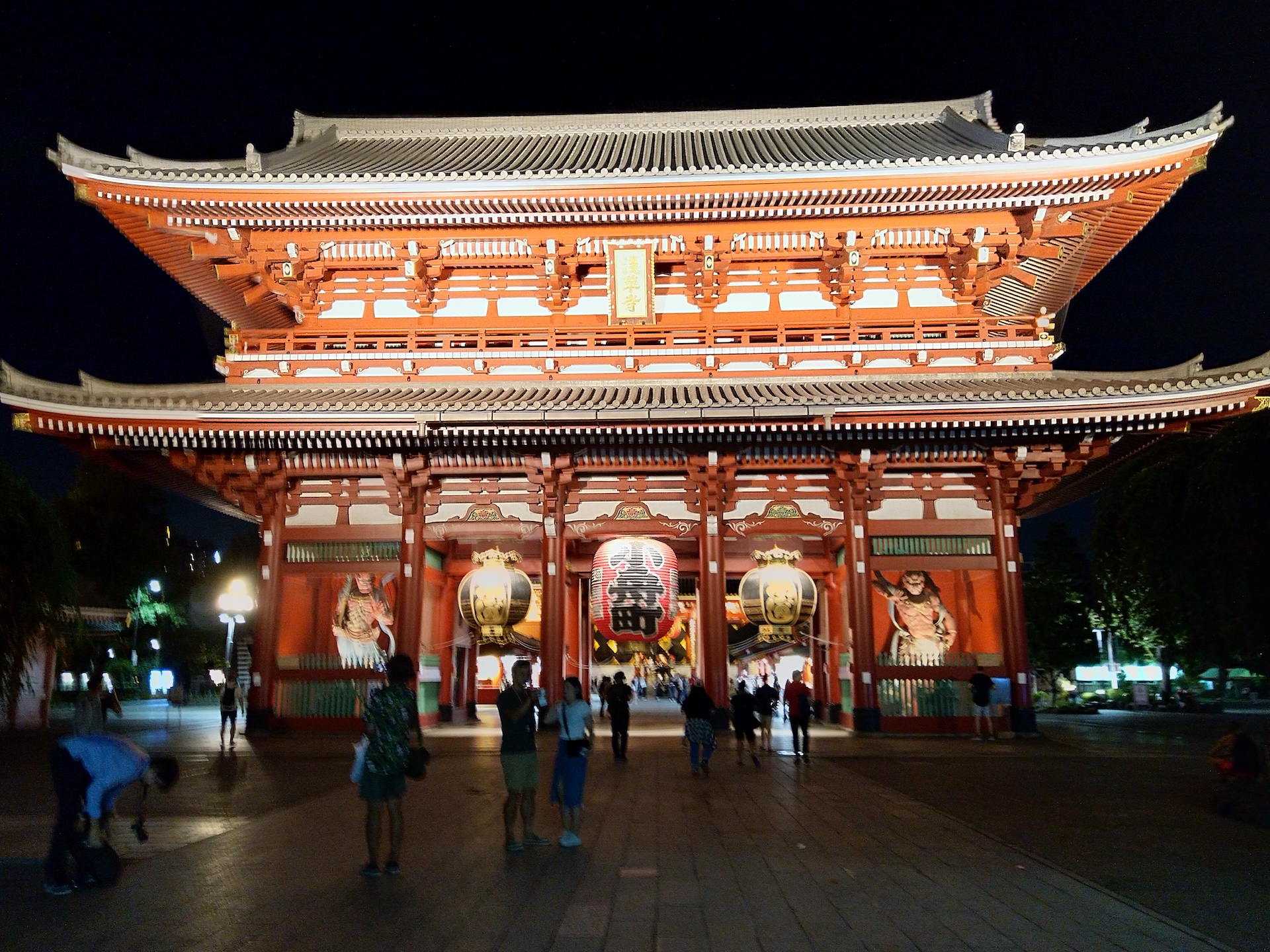
Tokyo is an easy place to begin collecting goshuin because temples and shrines can be incorporated into a typical sightseeing itinerary. Popular places to consider include Meiji Jingu, Sensoji, and Nezu Shrine. Aside from the major attractions, you can explore Tokyo’s smaller temples and shrines, which can introduce you to goshuin that you may not encounter on a typical first-time itinerary.
Kyoto
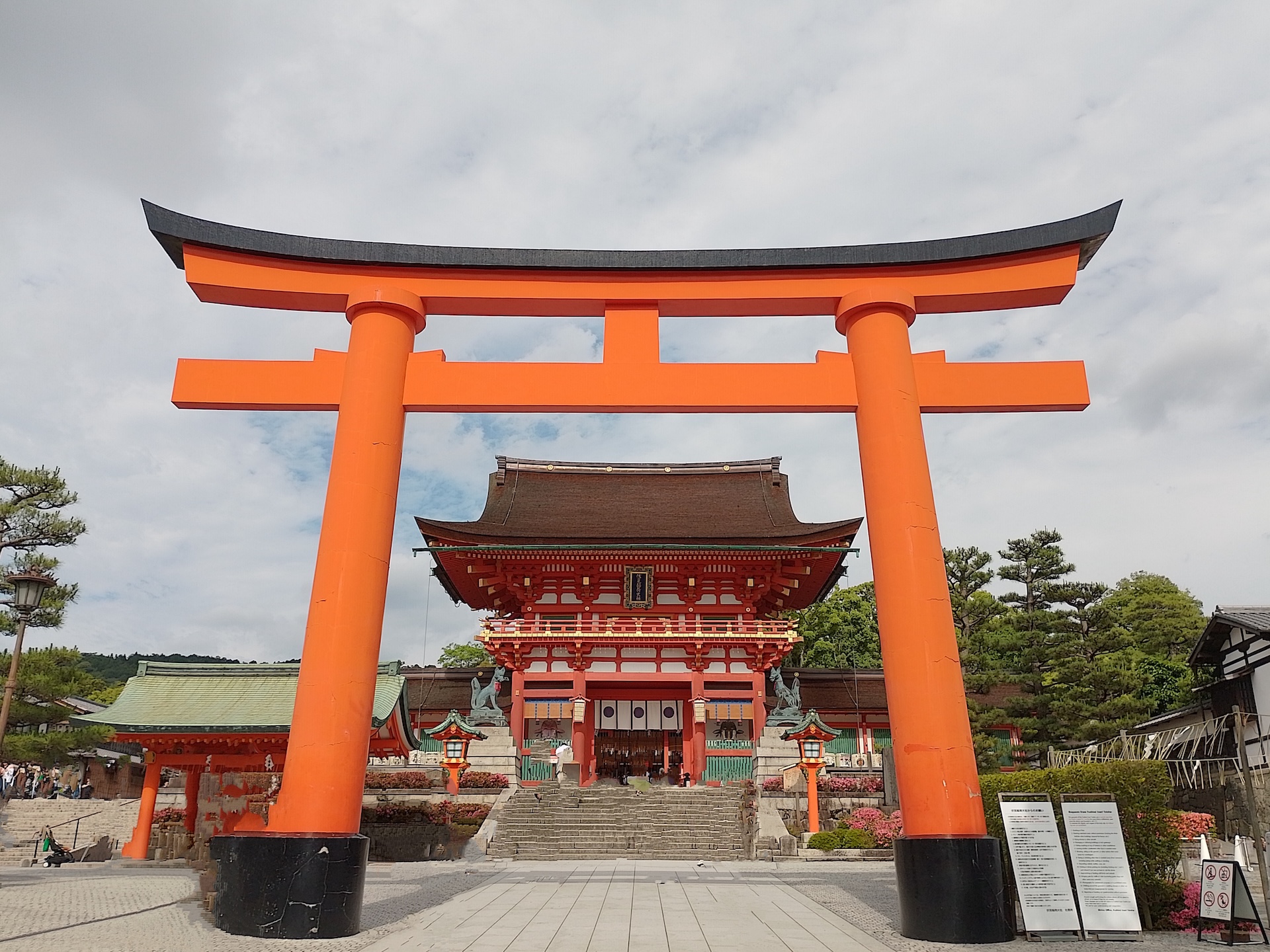
Kyoto is one of the best destinations for travelers interested in goshuin. You can visit famous religious sites such as Fushimi Inari Taisha, Kiyomizudera, and Yasaka Shrine and receive a goshuin. Since many Kyoto itineraries already involve visiting several temples and shrines in one day, bringing your goshuincho with you makes it easy to add to your collection as you explore the city.
Osaka

Osaka may be better known among travelers for its food and nightlife, but it also has important religious sites where you can receive goshuin. Sumiyoshi Taisha and Osaka Tenmangu are two well-known examples. If you are exploring beyond central Osaka, you can also discover additional temples and shrines that offer their own distinctive goshuin.
Kamakura
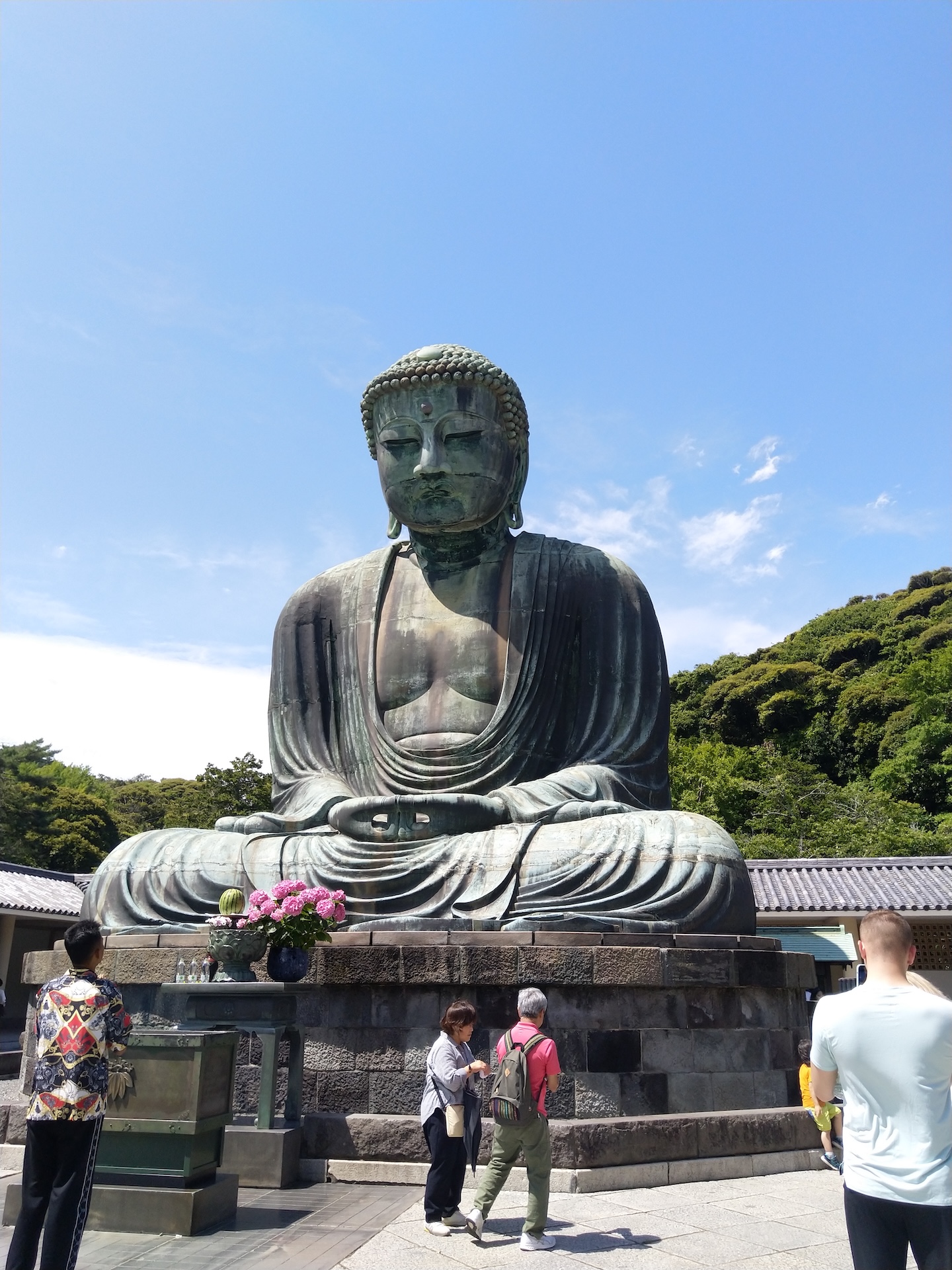
A day trip to Kamakura provides plenty of opportunities to combine sightseeing with goshuin collecting. It is home to many Buddhist temples and Shinto shrines, including Tsurugaoka Hachimangu, Hasedera, and Kotoku-in, famous for the Great Buddha. Rather than trying to collect as many as possible, consider choosing a walking route that allows you to enjoy the temples, shrines, gardens, and historic streets along the way.
Nara

Nara is another excellent destination if you are interested in goshuin. Major sites such as Todaiji and Kasuga Taisha are among the places where you can receive goshuin while exploring the city’s famous temple and shrine areas.
Wherever you travel in Japan, remember that receiving a goshuin should be part of the experience of visiting the religious site rather than the sole reason for entering it. Take time to explore, pay your respects, and learn something about the temple or shrine before visiting the goshuin counter. You might also experience temple/shrine fatigue, so do not focus too much on getting as many goshuin as you can. Try to enjoy everything along the way.
Why Goshuin Makes a Special Japan Travel Memory
Collecting goshuin can change the way you experience Japan. Instead of simply taking a few photos and moving on to the next attraction, it encourages you to slow down, explore the grounds, pay your respects, and appreciate the history and traditions of each place you visit. I always enjoy my time at temples and shrines whenever I visit Japan, and I am excited to receive a new goshuin, especially a limited-edition one. I do not go out of my way just to visit a specific temple or shrine for the sake of getting a goshuin.
Each goshuin also becomes a physical record of your journey, and as your goshuincho gradually fills, every page tells a different part of your trip. You might have goshuin from a famous shrine in Tokyo, a centuries-old temple in Kyoto, or a small religious site you discovered unexpectedly while exploring somewhere new. By the time you return home, your goshuincho can become much more than a collection of beautiful calligraphy and seals. It is a personal record of the temples and shrines you visited and the experiences you had along the way, making it one of the most meaningful keepsakes you can bring home from Japan.