Are you fond of cats? Did you know that there is a train station in Japan where the station master is a cat? Japan is home to countless unique attractions, but few are as heartwarming as the cat station master of Kishi Station in Wakayama Prefecture.
What began as an effort to save a struggling local railway has become one of the country’s most beloved success stories, attracting visitors from across Japan and around the world. A visit to Kishi Station is more than seeing a cat. It’s an opportunity to ride the beautifully themed trains, explore the peaceful countryside of Wakayama, and support a local railway that was revitalized through an unlikely mascot.
Whether you’re a cat lover, a railway enthusiast, or simply looking for an off-the-beaten-path destination, Kishi Station offers a memorable experience that showcases Japan’s creativity, hospitality, and community spirit.
Kishi Station Before Tama: The Railway That Needed Saving
Before Kishi Station became famous for its cat station master, it was simply the final stop on the Wakayama Electric Railway’s Kishigawa Line in Kinokawa City, Wakayama Prefecture. It opened in 1933 and served local residents who were traveling to school, work, and nearby farms.
Then, in the early 2000s, the Kishigawa Line faced serious challenges. Because of Japan’s declining rural population and the increasing use of private cars, the number of passengers who used the train dropped steadily. It was on the verge of closing due to financial losses. In 2006, the Wakayama Electric Railway took over operations to keep the route operating.
To attract visitors and generate publicity, the railway embraced an unusual idea that went beyond what they expected. A friendly calico cat named Tama, living near Kishi Station and cared for by local shop owners, was appointed as the station’s honorary station master in 2007. This transformed Kishi Station from a little-known rural stop into a destination visited by travelers all over the world.
Kishi Station’s Cat Station Masters Through the Years
Since 2007, there have been four cat station masters: Tama, Nitama, Yontama, and Gotama. Last January 2026, Wakayama Electric Railway introduced the cat station master candidate, Rokutama. They are stationed either at Itakiso Station or Kishi Station.
Tama: Honorable Eternal Station Master
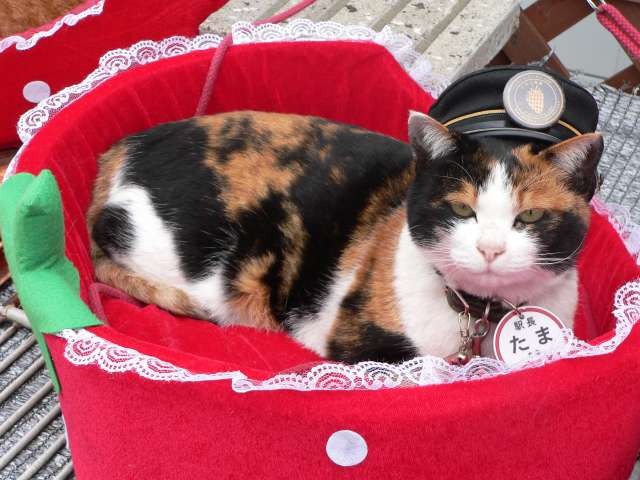
Name: Tama
Date of Birth: April 29, 1999
Sex: Female
Personality: Gentle, calm, friendly
Salary: A year’s worth of cat food
Current Position: Honorary Eternal Station Master/Tama Daimyojin (Main Deity)
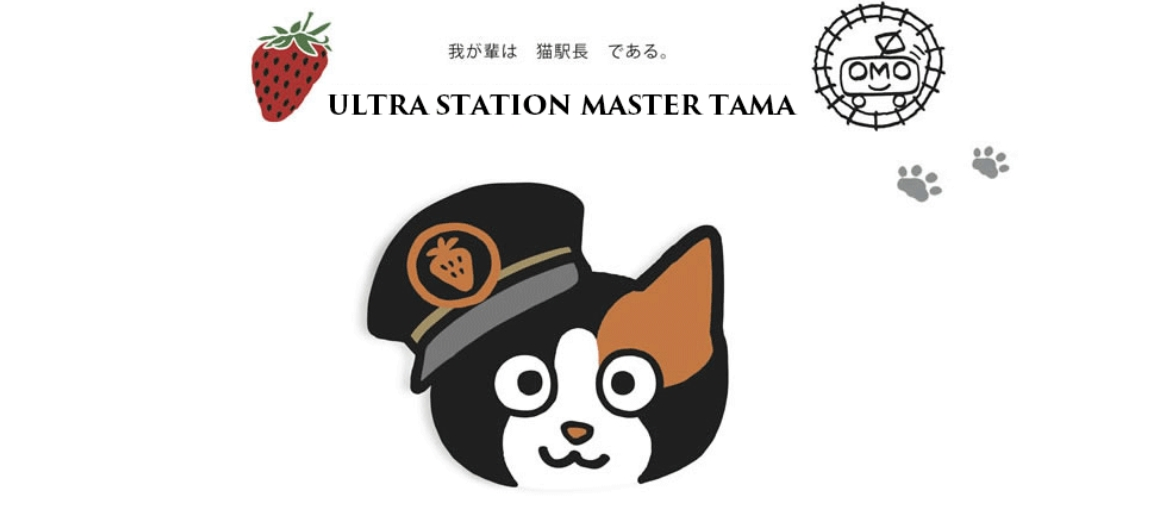
Tama was the original cat station master of Kishi Station. She was a female calico cat born on April 29, 1999 in Kinokawa, Wakayama. Tama was a stray cat and was cared for by the station staff and shop owner. However, the place that Tama considered her home became public land, so she was on the verge of being evicted. Her caretaker pleaded with the president of Wakayama Electric Railway to let Tama stay in the station.
The president agreed, and in 2007, Tama became Japan’s first cat station master. Her duty was to greet the passengers while wearing her custom-made station master’s hat and a gold nametag bearing her name and position. Tama served as a station master until 2015, when she passed away due to heart failure. In June 2015, Tama was enshrined as a deity in Tama Shrine.
Nitama: Honorary Special Station Master
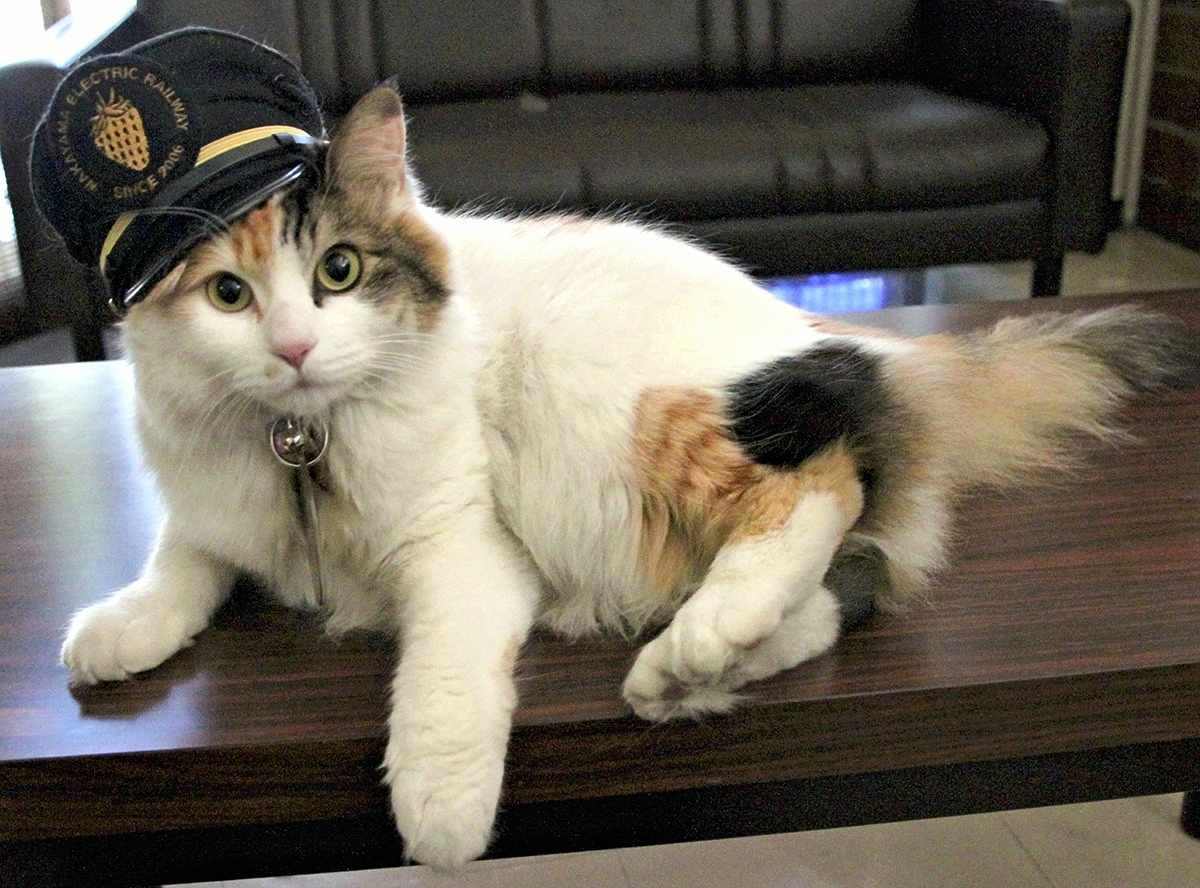
Name: Nitama (Second Tama)
Date of Birth: Around 2010
Sex: Female
Personality: Laid-back, friendly, adorable
Current Position: Honorary Special Station Master/Nitama Station Guardian Deity (Attendant Deity)
Before Tama passed away, she already had an apprentice: Nitama. Nitama was a stray cat found under the train car in Okayama. She was a medium-haired calico cat with a laid-back personality. Before becoming Tama’s apprentice, she trained at Idakiso Station, which is 5 stations away from Kishi Station.
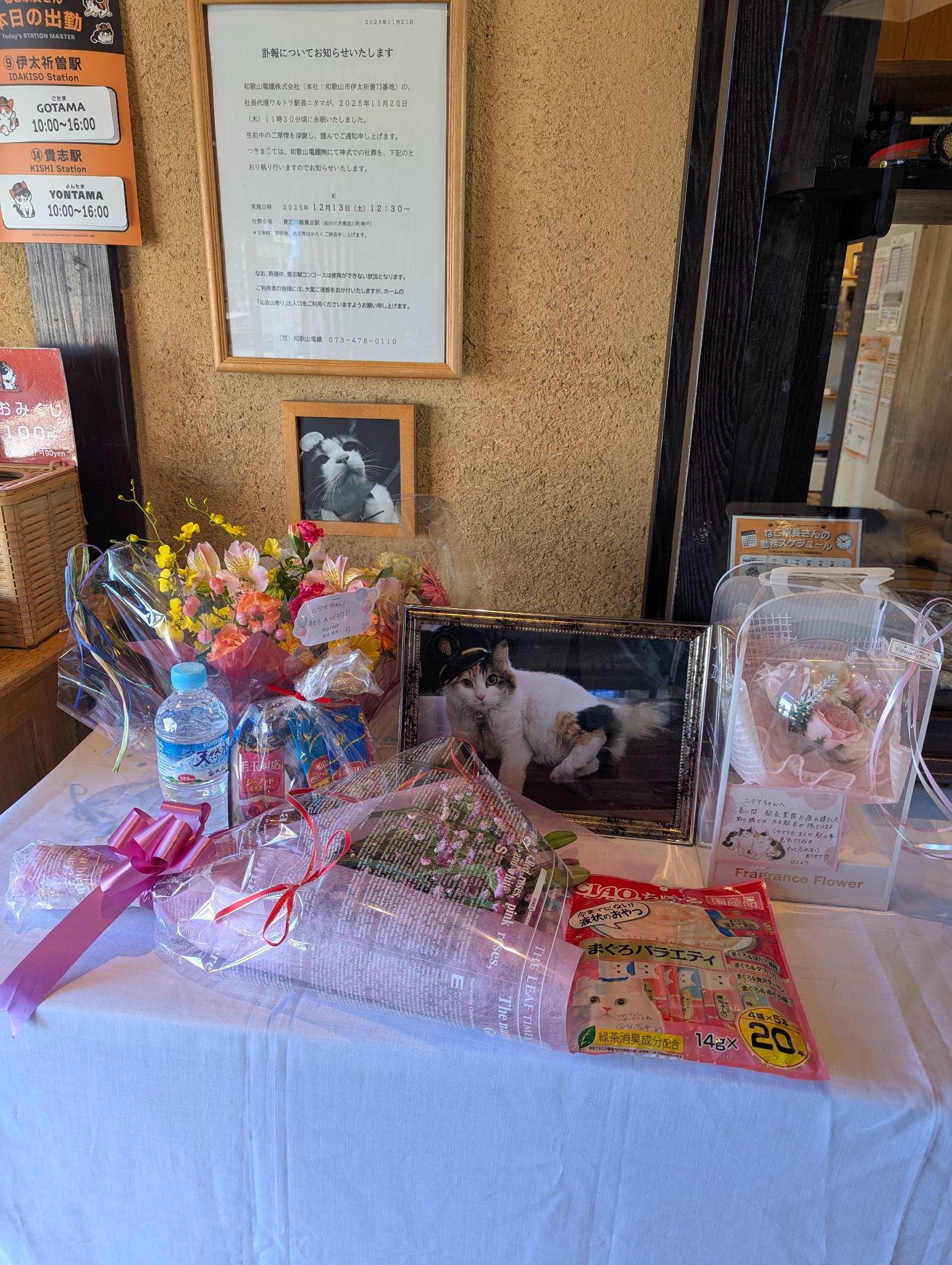
When Tama passed away in 2015, Nitama was brought to Tama Shrine to pay her respects to Tama and was also appointed as the new station master. On November 21, 2025, Nitama passed away at the age of 15. I visited Kishi Station on November 23, 2025, so I wasn’t able to see Nitama, but there was a memorial held to pay respects.
Yontama: Manager Station Master
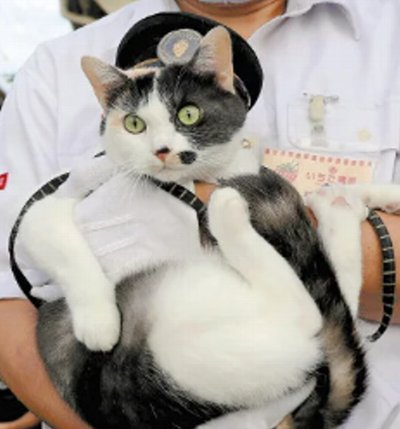
Name: Yontama (Fourth Tama)
Date of Birth: April 17, 2016
Sex: Female
Personality: Very charming and friendly
Current Position: Manager Station Master
Workplace: Kishi Station
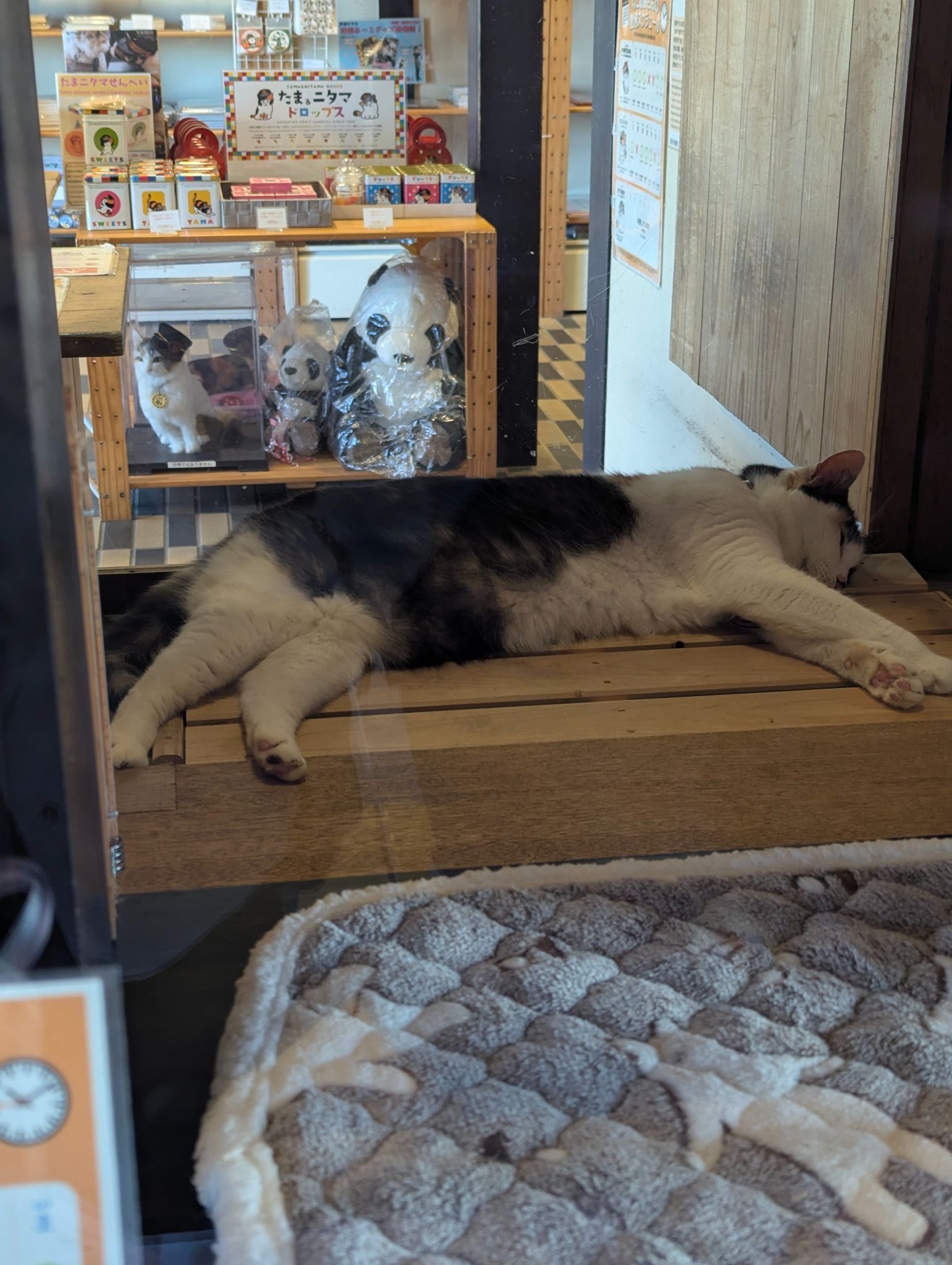
Yontama can be easily distinguished by the black spot near her left upper lip. Yontama was brought to Wakayama Prefecture to become a cat station master trainee on January 5, 2017 and started working on February 18, 2017. Then, on January 5, 2018, she was appointed as the Station Master at Idakiso Station. Yontama took over as the Station Master of Kishi Station on January 6, 2026, a few months after Nitama passed away. She performs her duty solely at Kishi Station. This was Yontama working diligently when I visited her:
Gotama: Fuku Station Master
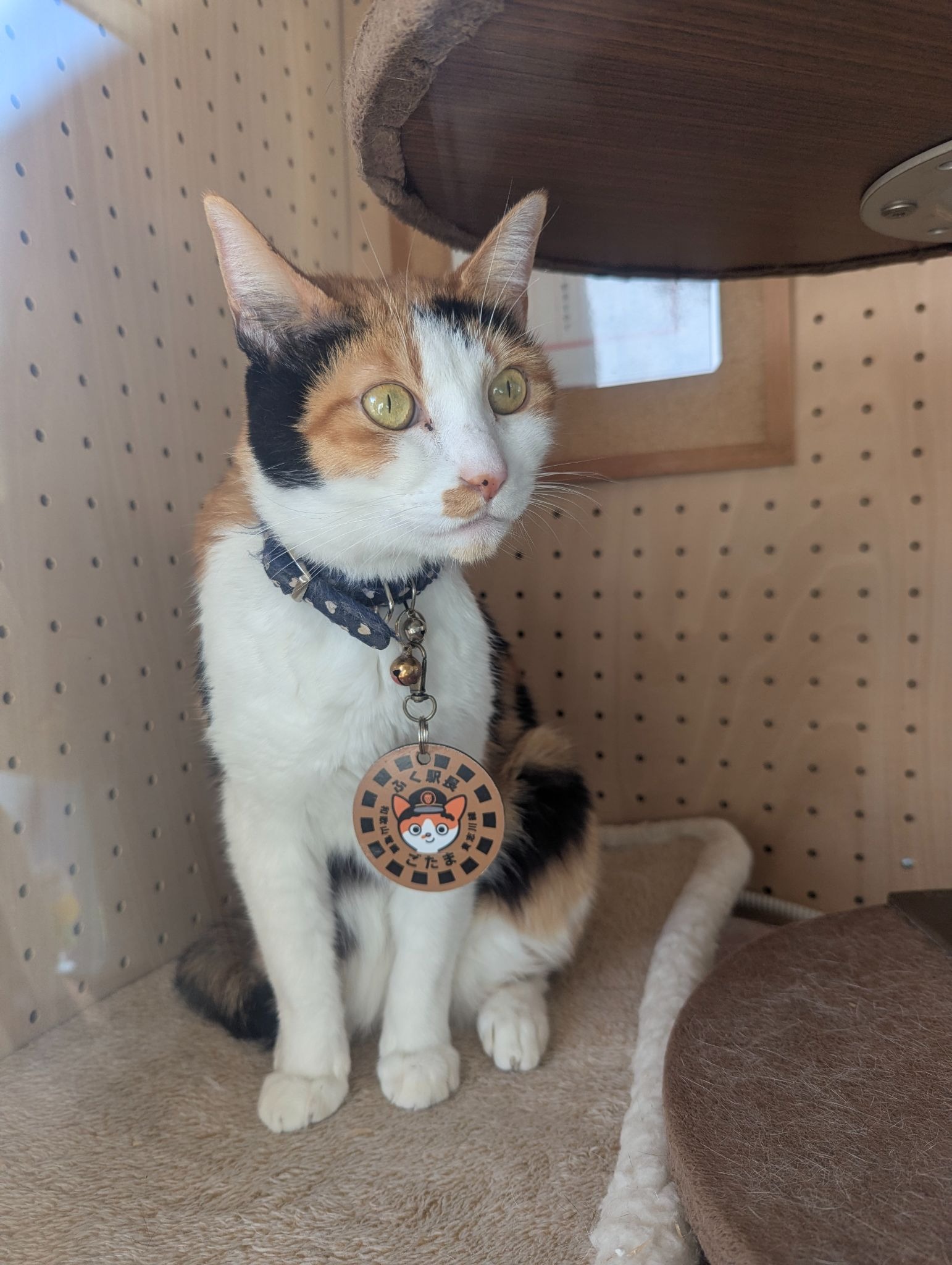
Name: Gotama (Fifth Tama)
Date of Birth: January 28, 2021
Sex: Female
Personality: Friendly and fearless
Workplace: Kishi Station and Idakiso Station
Gotama is Nitama’s second subordinate, together with Yontama. She is a calico cat with a hooked tail, which is considered a good luck charm for business. On January 7, 2025, Gotama was appointed as Fuku Station Master. Currently, she is the station master of Idakiso Station and the assistant station master of Kishi Station. She fulfills her station duty at Idakiso Station.
Rokutama: Station Master Candidate
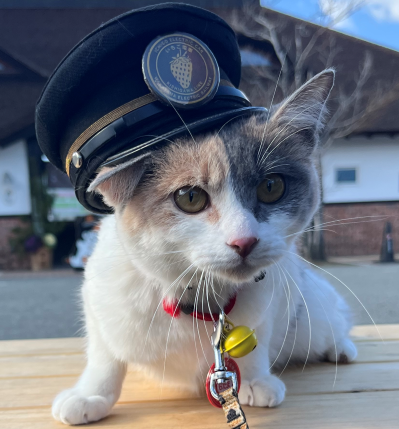
Name: Rokutama (Sixth Tama)
Date of Adoption: May 5, 2025
Sex: Female
Personality: Not easily intimidated, doesn’t like noise, big eater
Workplace: Kishi Station and Idakiso Station
Rokutama is a newcomer who was appointed as a station master candidate and is not an apprentice because she hasn’t finished her training at the Cat Stationmaster Training School under Okayama Electric Tramway in Okayama City. She is a beautiful pastel calico and was adopted during an adoption event in Okayama.
Rokutama does not threaten people and is not easily intimidated. She hates loud noises and having her claws trimmed. She loves playing alone and has a big appetite. Currently, Rokutama is splitting her training duties at Kishi Station and Idakiso Station.
SUN Tama/Santama
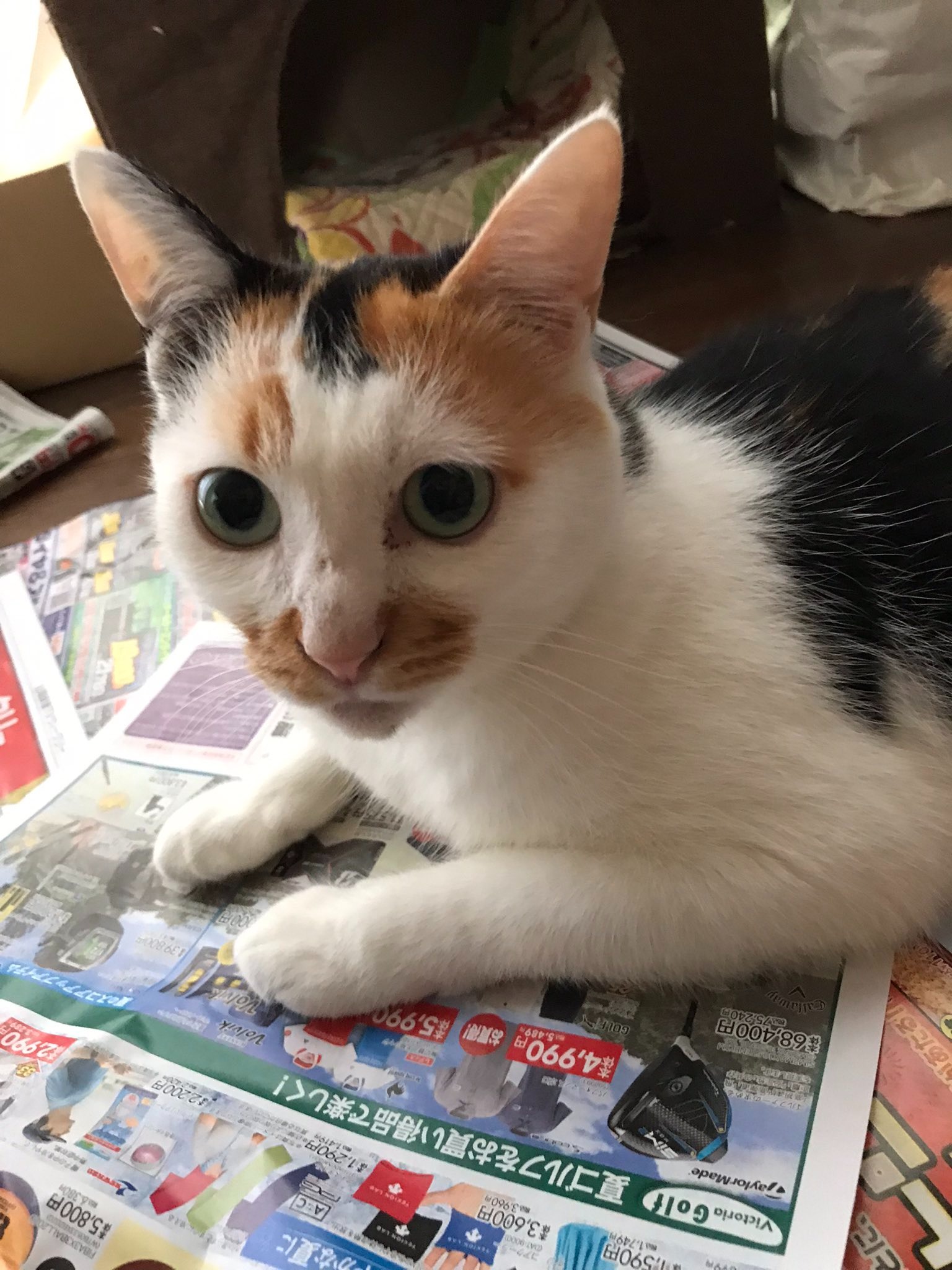
If you’re wondering why after Nitama, Yontama is the next cat station master. Originally, SUN Tama or Santama (Third Tama) was supposed to work at Kishi Station. She was sent to the Cat Stationmaster Training Center, but the staff who took care of her got pretty attached. She refused to give up SUN Tama and remained in Okayama. Currently, she is working as a station master in Naka-ku, Okayama.
When to See the Cat Station Masters at Work
The cat station masters are employees, so they follow a schedule. They work in different shifts and have their days off, so if you want to see them when you visit, make sure that they are on duty on that day.
You can see the cat station masters during their shifts at Idakiso Station and Kishi Station. Yontama works only at Kishi Station, while Gotama works at Idakiso Station. On the other hand, Rokutama spends two days at each station as a cat station master trainee.
Here is the current schedule of the station masters:
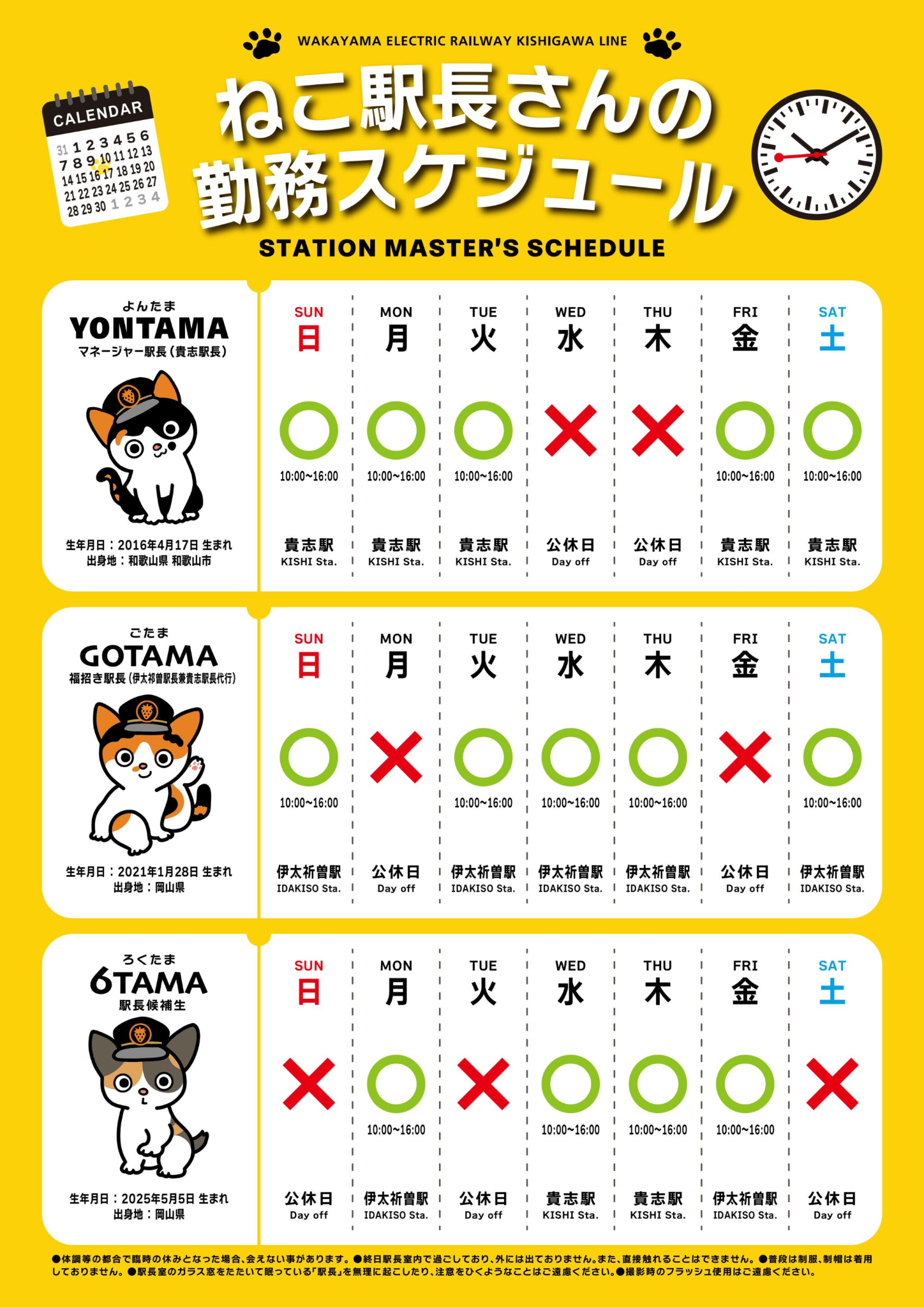
The station masters are at work from 10 AM until 4 PM. Yontama and Gotama have two days off, while Rokutama has three. You won’t be able to see all three station masters in a day. There are also days when the station masters take an unexpected day off, so you won’t be able to meet them.
Take note that the station masters are inside the office at all times and do not go outside. Also, on most days, they do not wear their uniform or cap; they just wear their tag, showing their name and position.
Where Are the Cat Station Masters Assigned
Along Wakayama Electric Railway’s Kishigawa Line, there are two stations where the cat station masters work. They are Idakiso Station and Kishi Station.
Idakiso Station
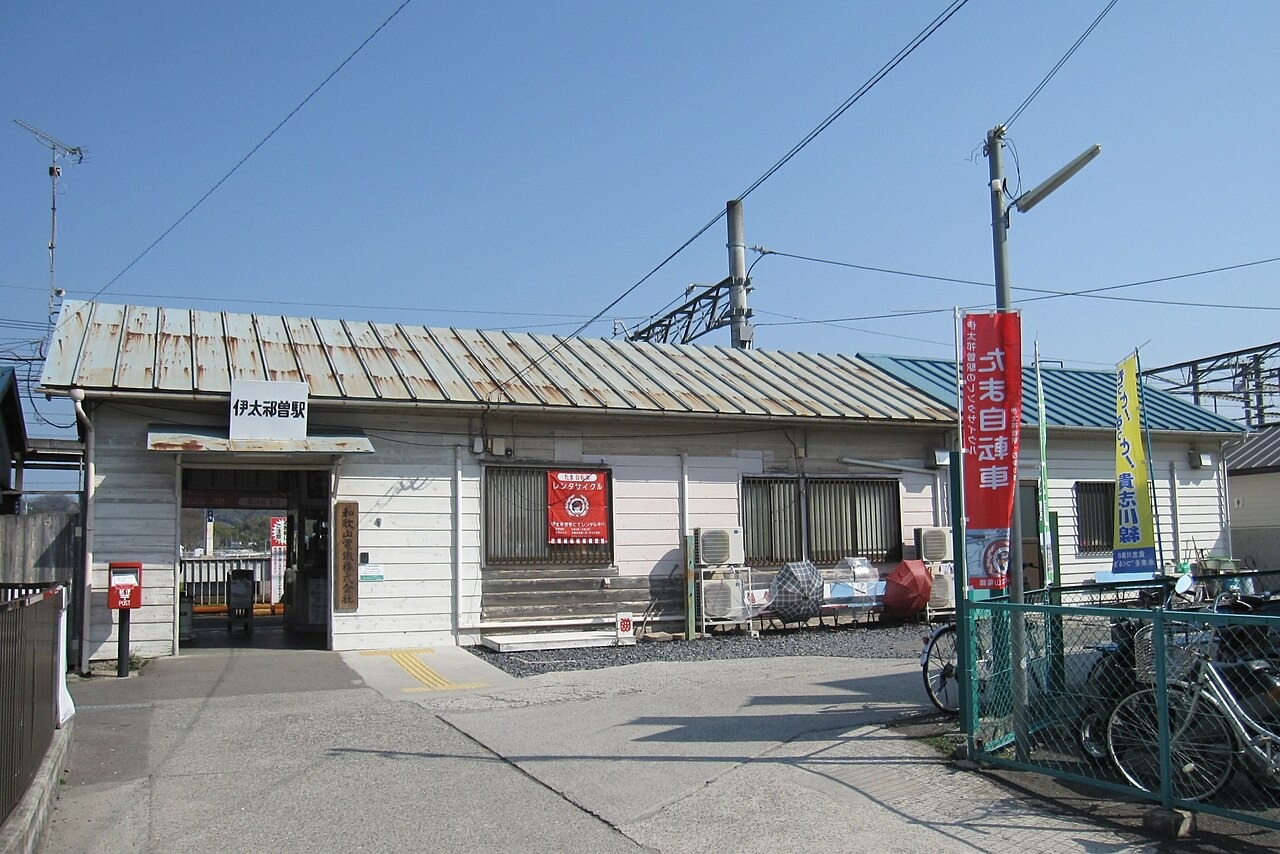
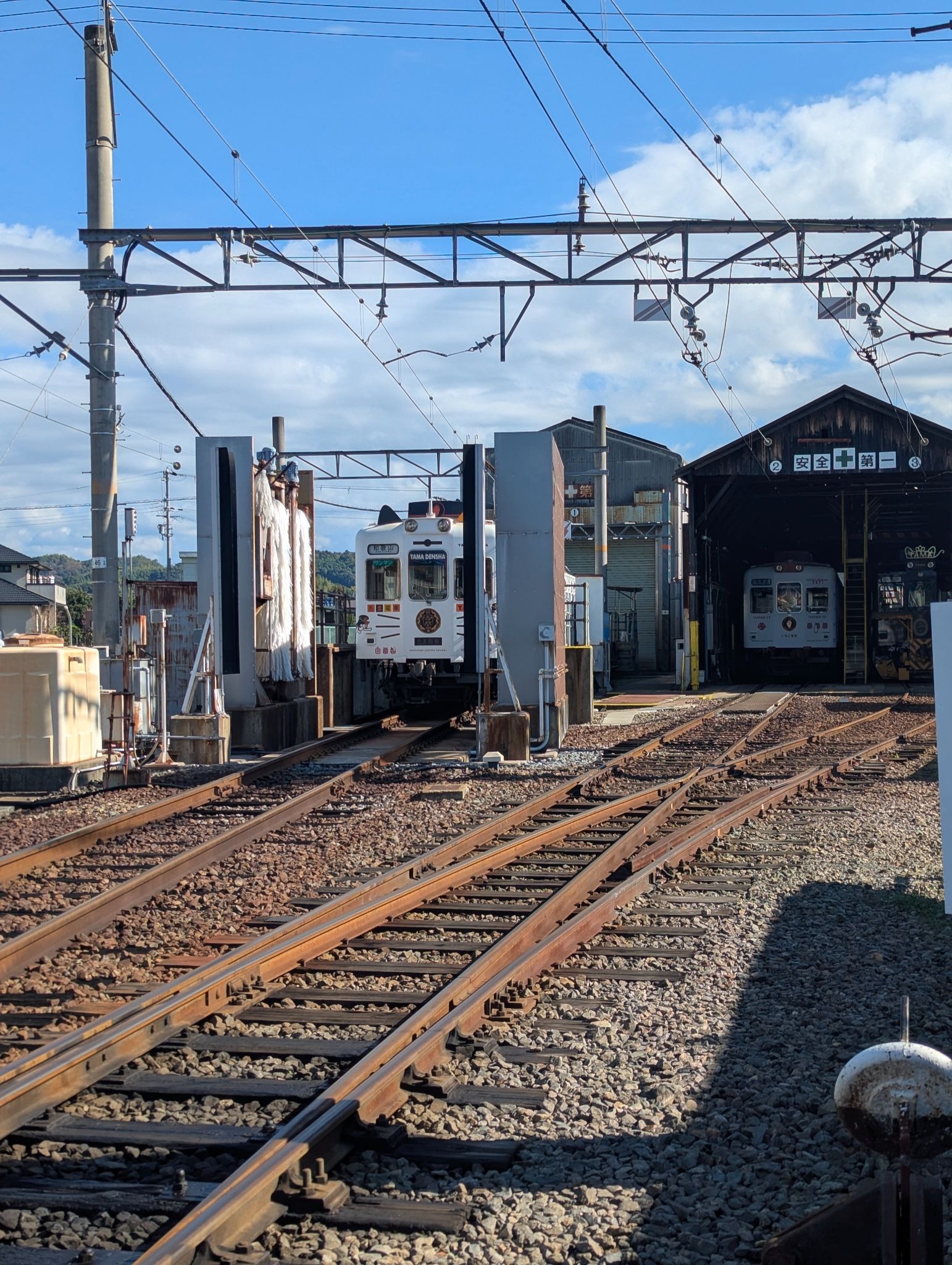
Idakiso Station is the 9th station from Wakayama Station. It has one island with two tracks. It houses the Wakayama Electric Railways headquarters, the train depot, and the shop. This is where the trains are stationed when they are not in use or under maintenance.
Idakiso Station is where Gotama works for five days while Rokutama works here for two days. Also, if you want to visit Idakiso (Itakiso) Shrine, you can get off here. The shrine is a few-minute walk from the station. You can buy various cat-themed goods here and get an eki stamp if you are collecting train station stamps. A commemorative medal vending machine is also located here, where you can buy medals featuring Tama, Yontama, and Gotama.
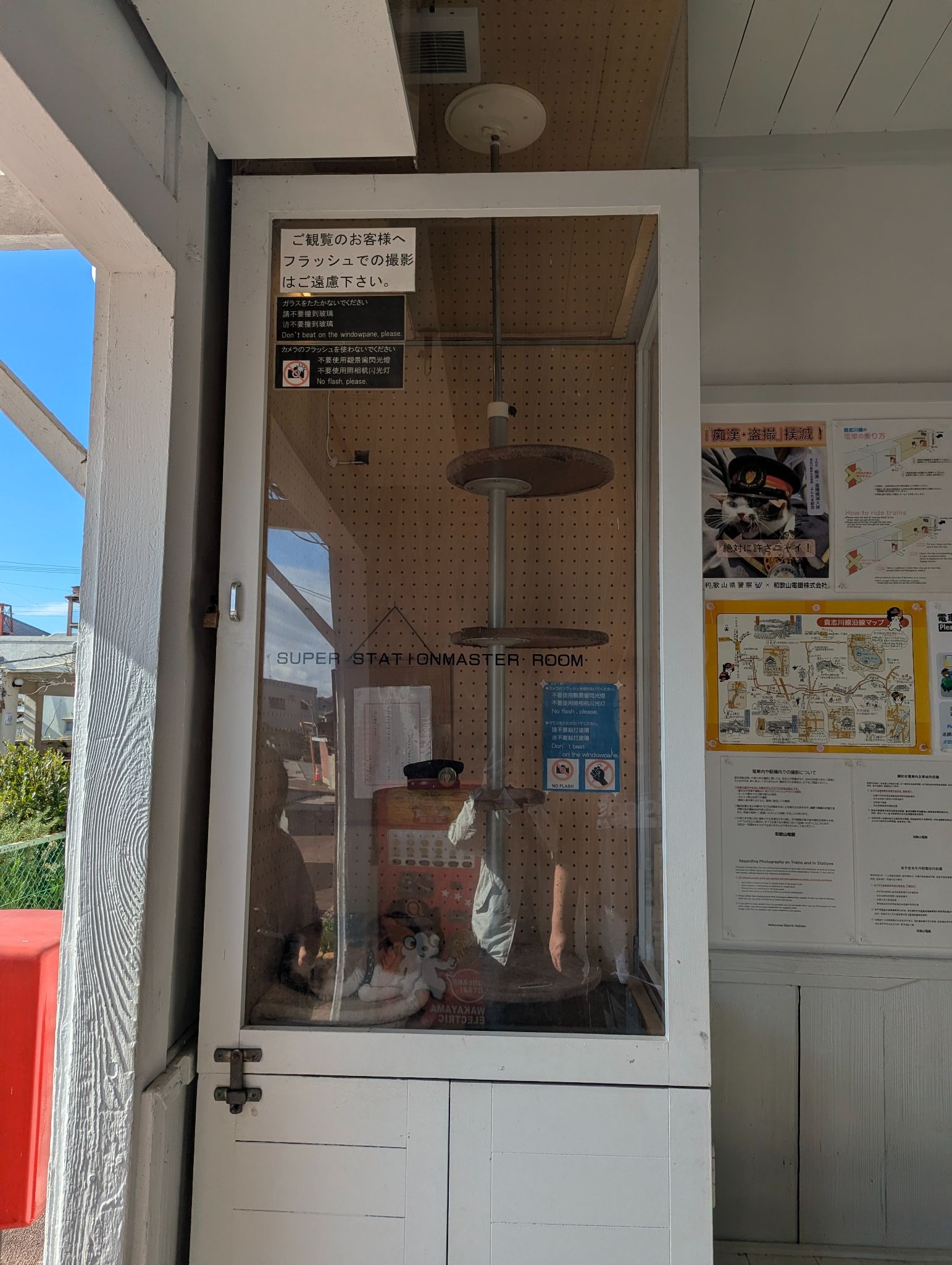
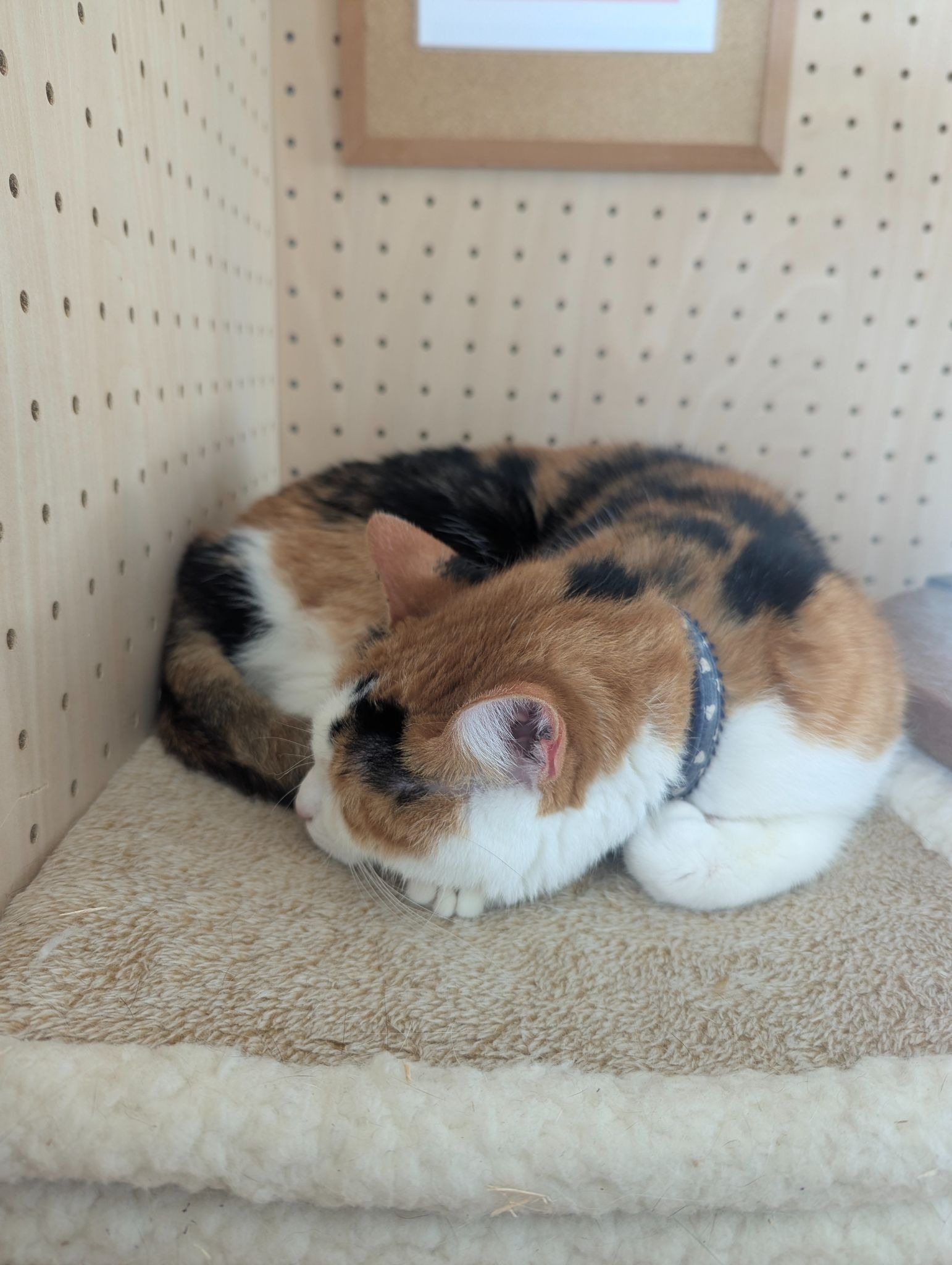
The Super Stationmaster Room above is where the cat station master stays while on duty. They can work (sleep) comfortably here because their room is air-conditioned, so they can sleep well (I mean work) until the end of their shift. Here is Gotama working diligently during her shift:
Kishi Station
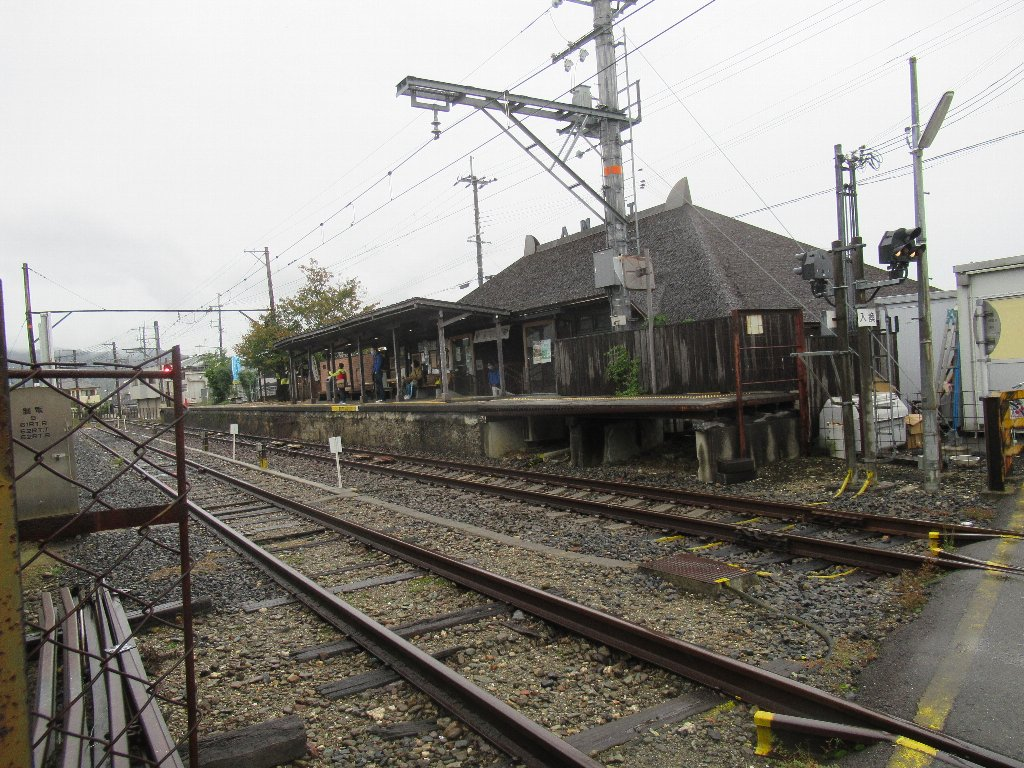
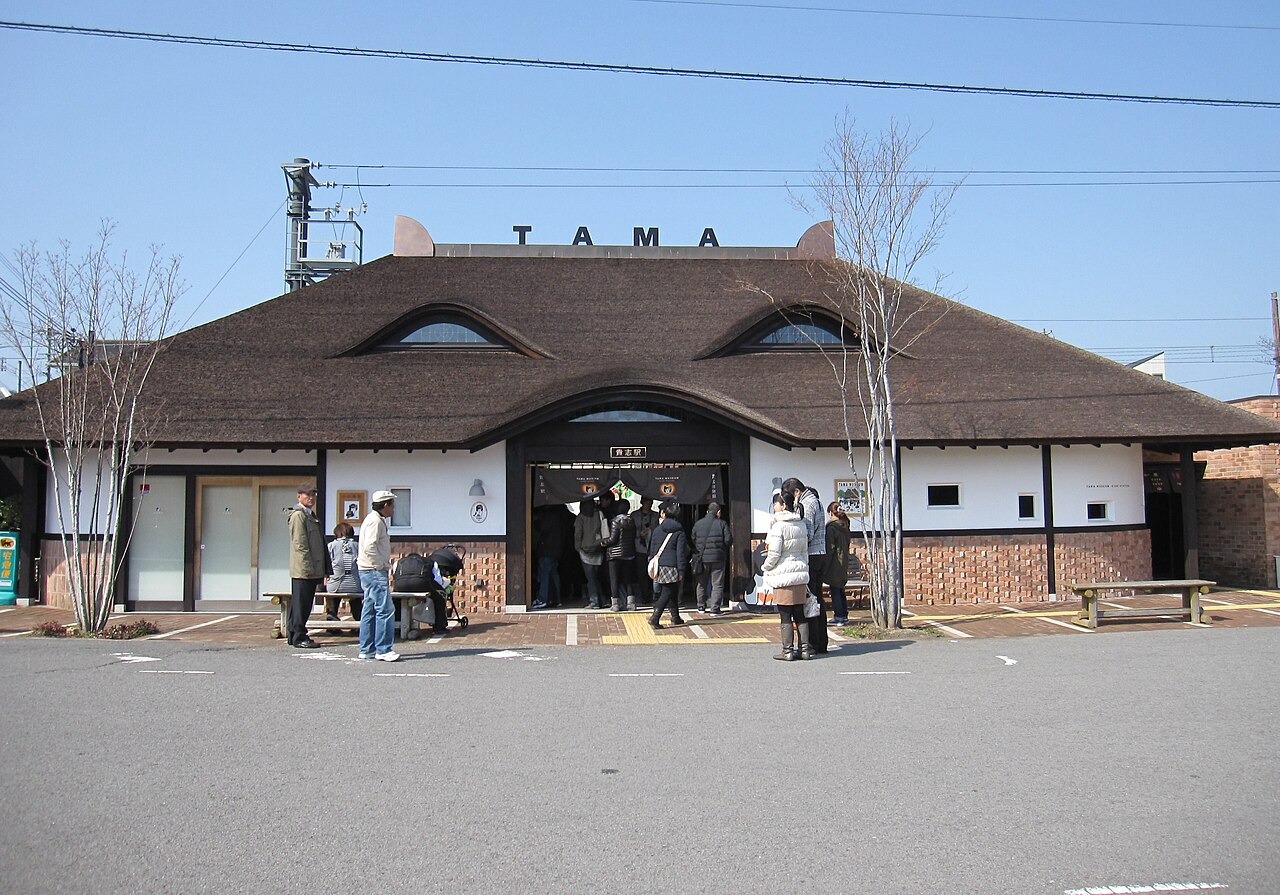
Kishi Station is the 14th and last station of the Kishigawa Line. It is an unmanned station, so you need to pay for the fare at the fare box in front of the train before alighting. After getting off the train, you will find Tama Shrine and Nitama Station Guardian Shrine. Attached to the station is the Tama Museum that houses the station master’s office, Tama Cafe, and Tama Shop.
Tama Museum
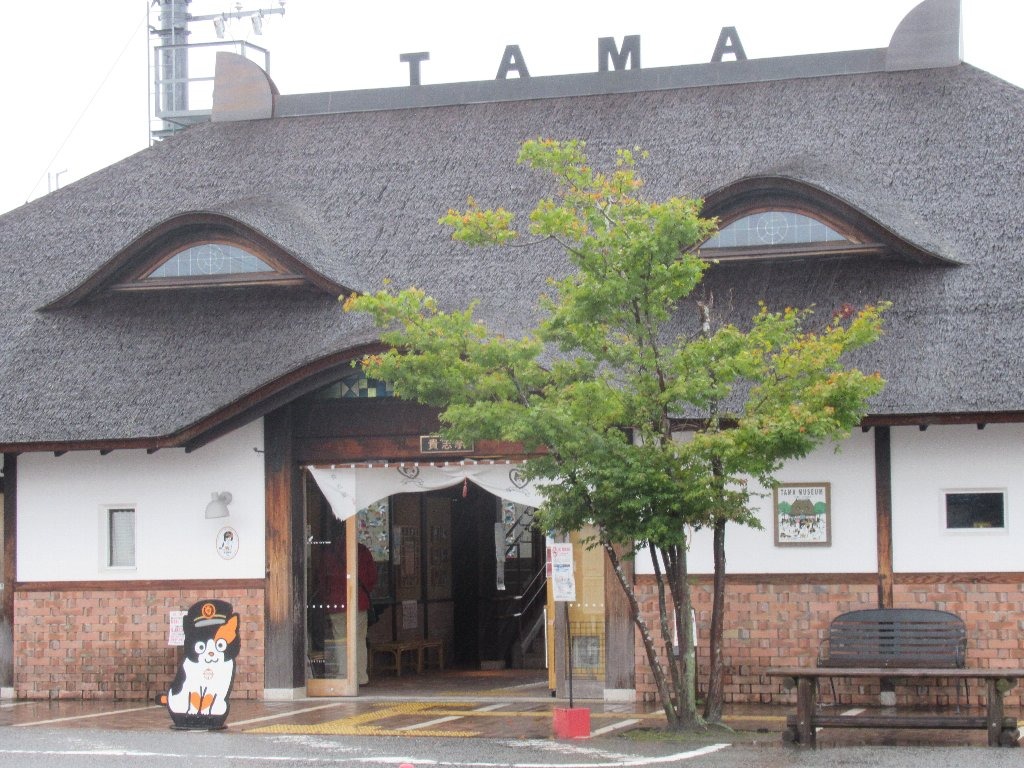
This cat-shaped station building serves as a mini-museum dedicated to Tama. It also serves as a station master’s office as well as Tama Cafe and Tama Shop. You can also find a commemorative medal vending machine featuring Tama, Nitama, and Gotama. Yontama solely works here for four days while Rokutama works here for two days.
Tama Shrine and Nitama Station Guardian Shrine
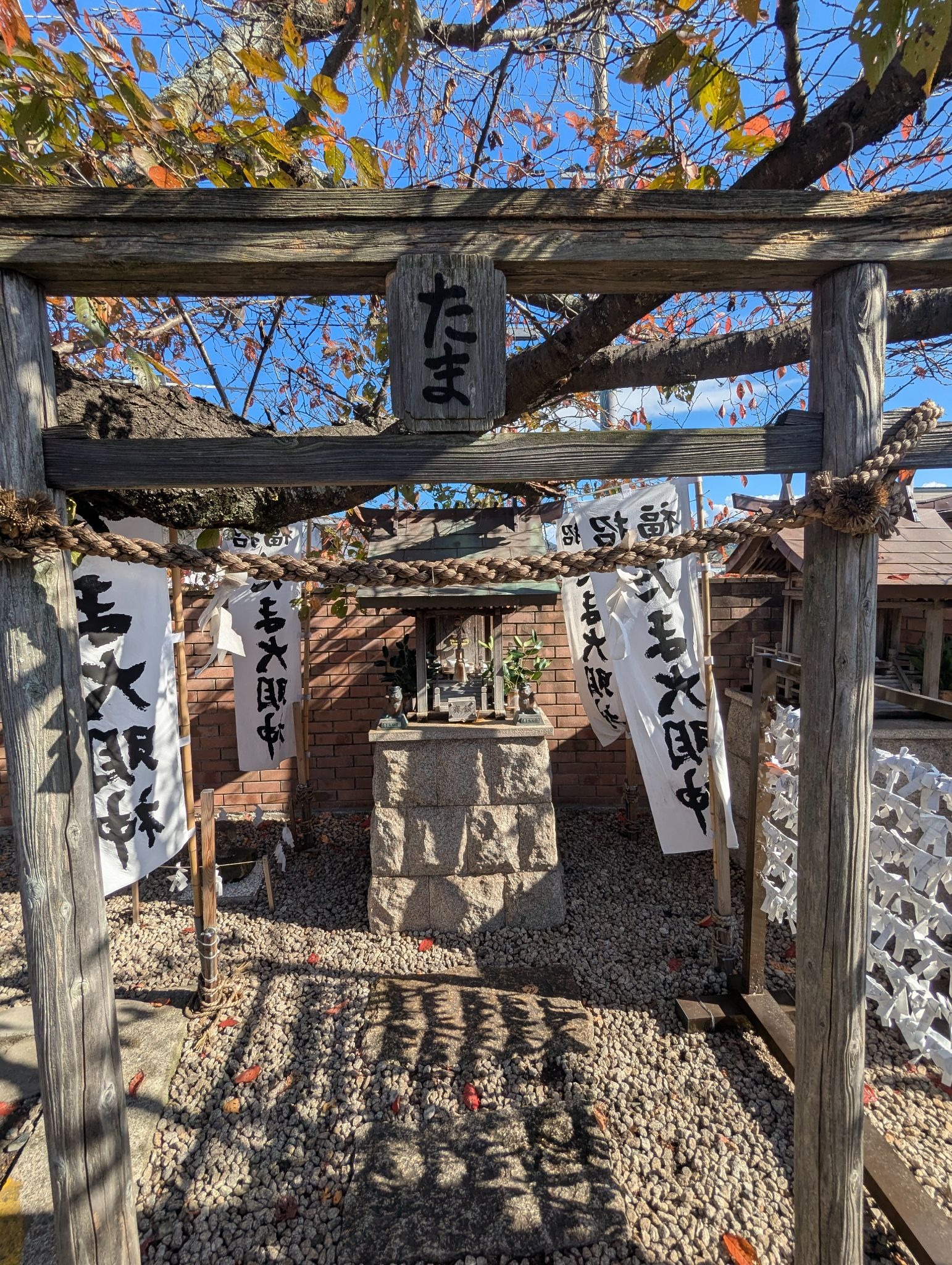
After Tama passed away, she was enshrined and became Tama Daimyoujin at Tama Shrine. You can offer prayers here for matchmaking, business prosperity, academic success, good fortune and career advancement, and traffic safety.
Next to Tama Shrine is Nitama Station Guardian Shrine. The deity enshrined here is Nitama Station Guardian Deity. You can say your prayers here for traffic safety, safe travels, regional prosperity, success in life, and protection of animals. You can also pray here for good relationships and love.
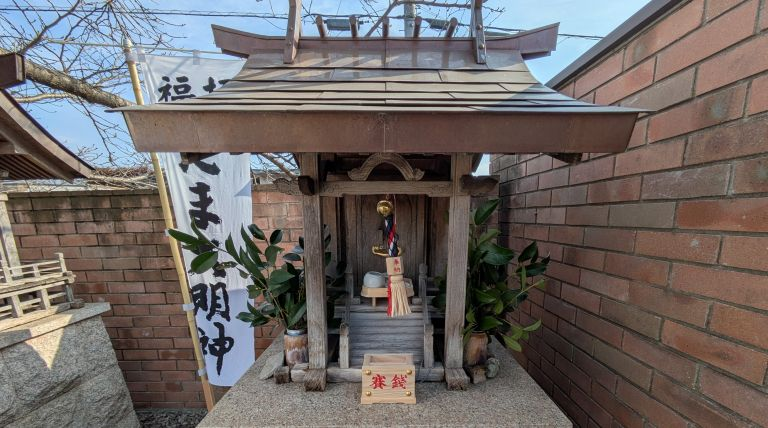
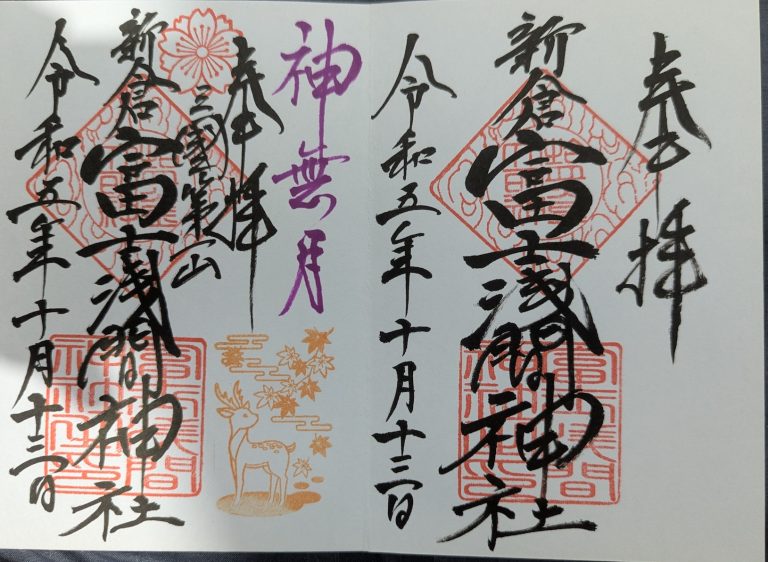
The shrine offers goshuin (temple/shrine stamp), amulets, and lucky charms, which are available at Tama Cafe and Tama Shop.
Tama Cafe

If you feel hungry or need a place to rest after exploring Kishi Station, you can spend time at Tama Cafe. They offer various hot and cold drinks, ice cream, and sausage. They also sell Tama goods. There are plenty of seats inside the cafe, where you can cool down especially when it is hot outside. The cafe is located in the station building.
Check out their menu:
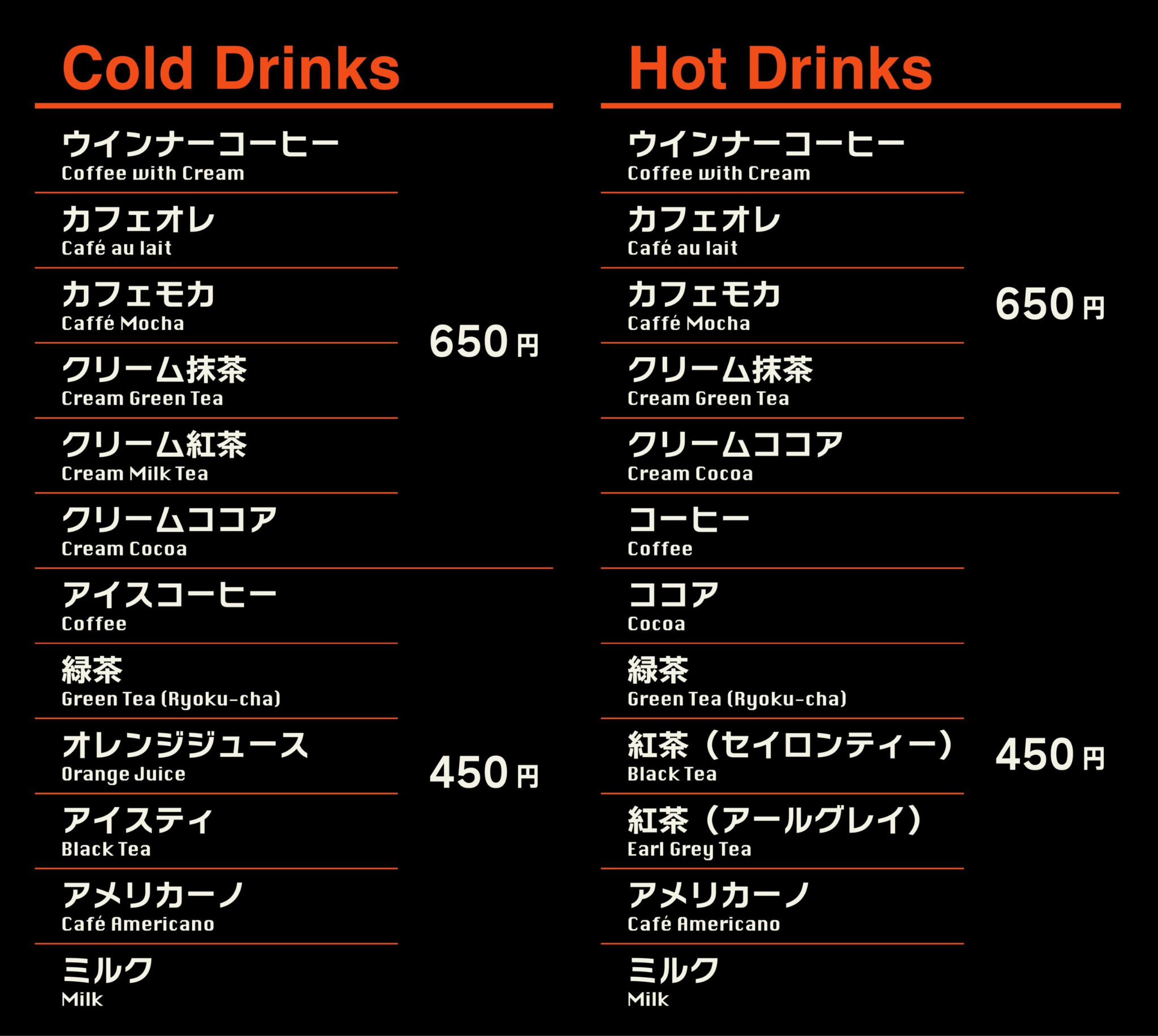

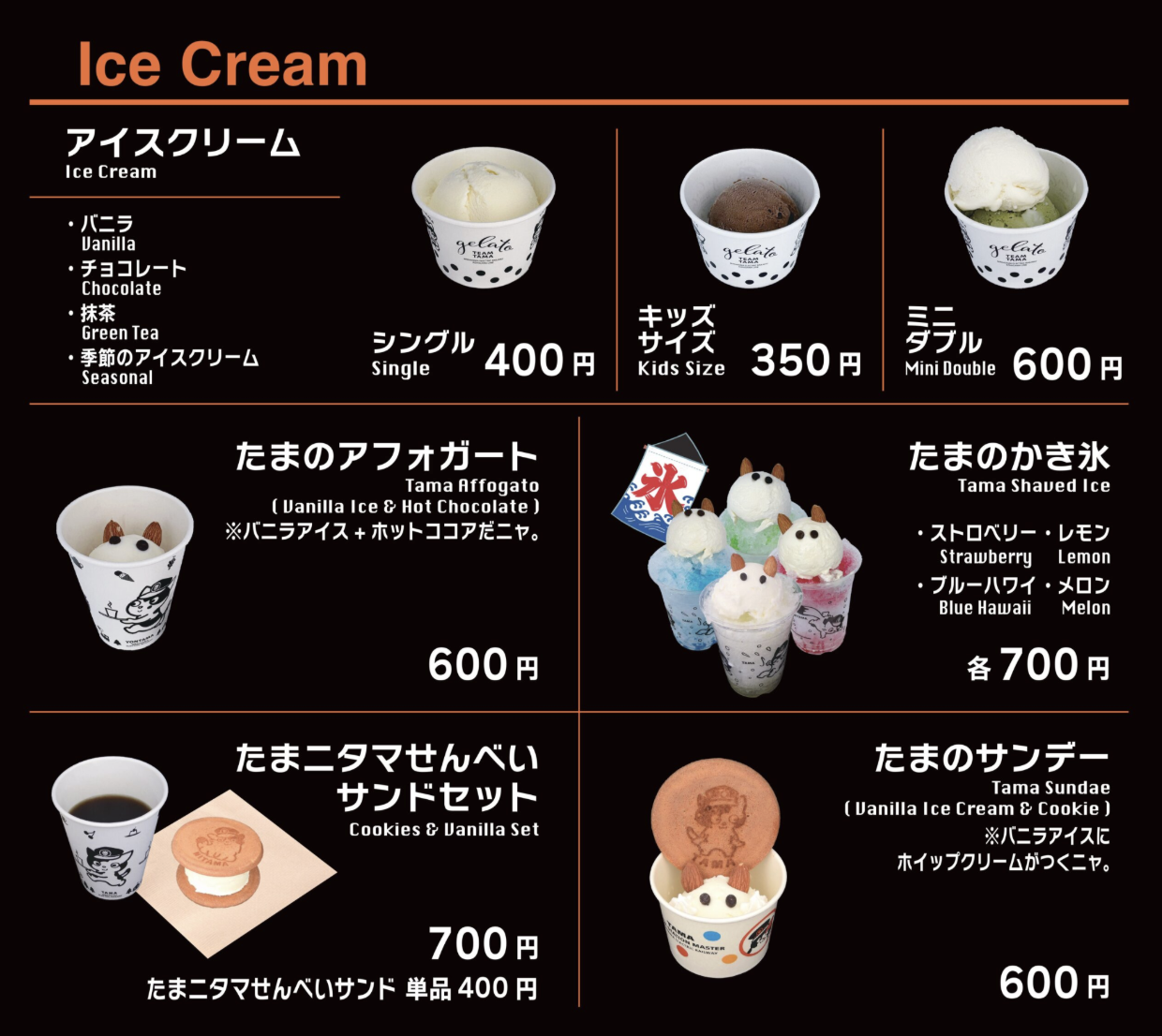

The cafe is open all year round from 10 AM to 4 PM. You can pay for your order using cash, credit card, and electronic money.
Tama Shop
If you want to buy cute cat-inspired goods, you can visit Tama Shop. The shop sells good featuring station masters Tama, Nitama, Yontama, Gotama, and Rokutama. Just a bit of caution: you might spend more than you expect. Here are some of the good that you can buy at the shop:
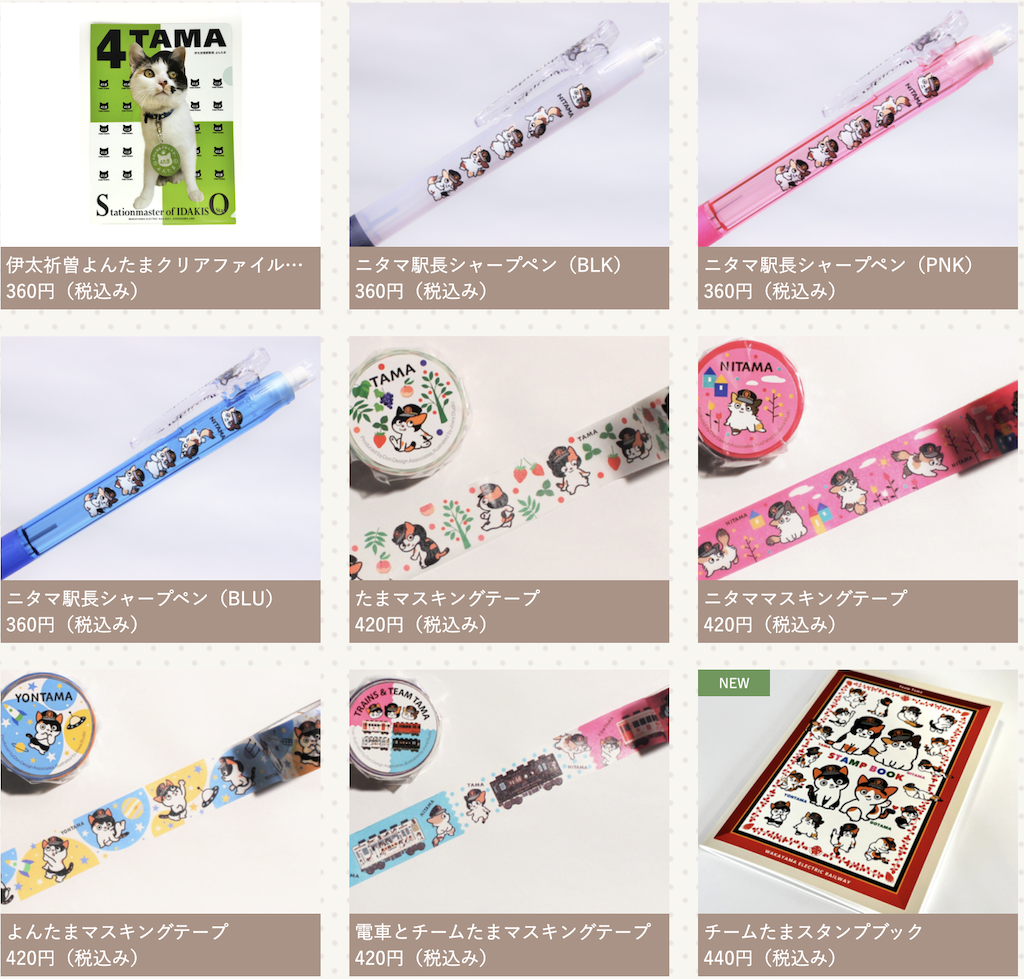
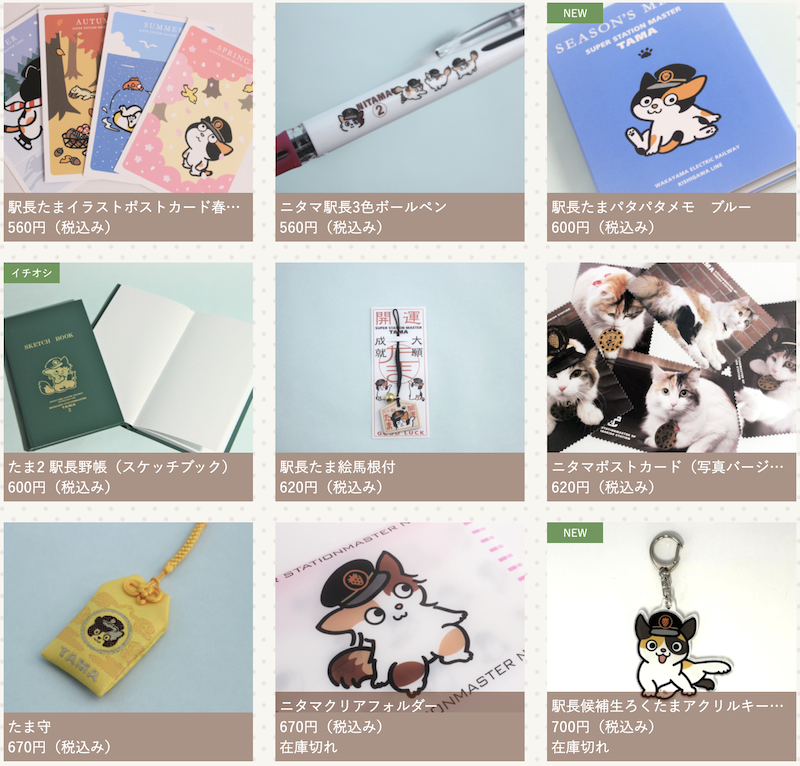
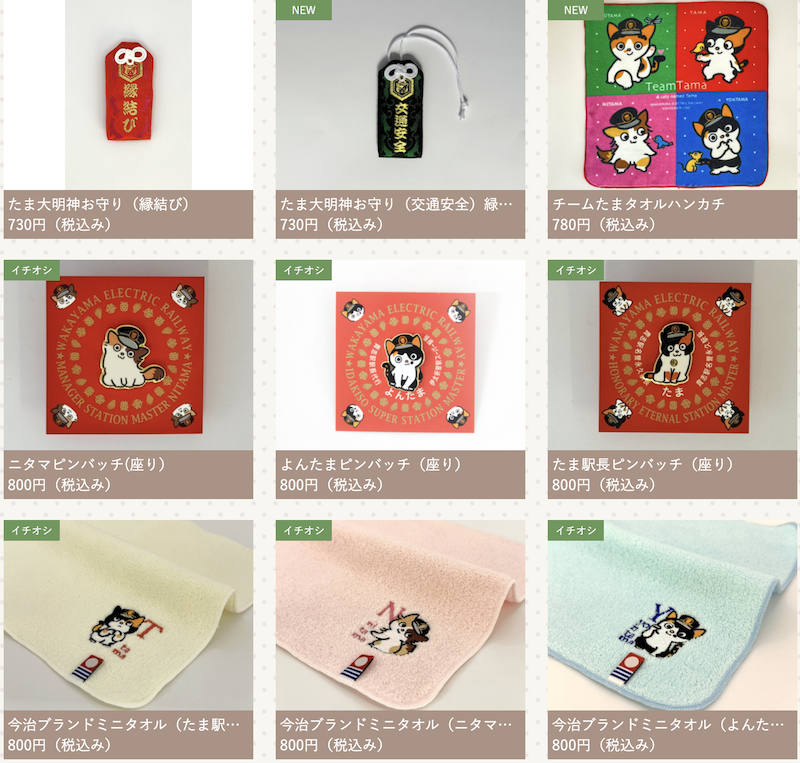
There are many more goods you can see in the shop. You can check their online store for reference. The items shown online are mostly available at the shop.
How to Get to Idakiso Station and Kishi Station
Getting to Idakiso Station and Kishi Station is easy. If you are traveling from Osaka, it takes about 2.5 hours to reach Kishi Station. From Kyoto, it takes about 3 hours to reach Kishi Station. You need to transfer trains once you arrive at JR Wakayama Station.
From Osaka Station to Kishi Station
- Take the Osaka Loop Line Kishuji Rapid For Nishikujo (For Wakayama) on Platform 1. There is no need to transfer since this train will travel until Wakayama Station. The fare is 1,300 yen (about $8).
- Get off at Wakayama Station.
- Take the Wakayama Dentetsu-Kishigawa Line (For Kishi) at Platform 9. The fare is 480 yen (about $3).
- If you want to see Gotama or Rokutama and visit Itakiso Shrine first, get off at Idakiso Station.
You can also take the Limited Express Train Kuroshio No. 1 (For Shingu) at Osaka Station and alight at Wakayama Station. The train departs from Line 21 at Umekita Underground. The base fare is 1,300 yen (about $8), and you have to pay for the reserved seat, which costs 1,930 yen (about $12).
From Tennoji Station to Kishi Station
- Take the JR Hanwa Line Kishuji-Rapid (For Wakayama) on Platform 4. This train travels until Wakayama Station, so there is no need to transfer trains. The fare is 1,120 yen.
- Get off at Wakayama Station.
- Take the Wakayama Dentetsu-Kishigawa Line (For Kishi) at Platform 9. The fare is 480 yen (about $3).
- If you want to see Gotama or Rokutama and visit Itakiso Shrine first, get off at Idakiso Station.
Some Reminders After Arriving at JR Wakayama Station
Once you are at JR Wakayama Station, do not tap your card or insert your ticket at the ticket gate; instead, go outside the station. The train bound for Kishi is inside the JR Wakayama Station.
- After getting off the train, walk to your left and go down the stairs.
- Then, you can see those tiny cat images on the walls guiding you to the train platform.
- Keep walking and go up the stairs once you see the pictures of the station masters.

- This is a transfer station, so you need to tap your IC card (Suica or ICOCA). You’re going to encounter a problem with your IC card if you don’t tap it at the gate.

- Go to the ticket window and buy a ticket. Take note that you have to pay in cash since they do not accept all types of IC cards.
- If you plan on getting on and off different stations within the Kishigawa line, it is better to get the Kishigawa Line 1-day pass.
- The Kishigawa Line 1-day pass costs 1,200 yen (about $7.5). It used to be 800 yen (about $5), but there was a fare increase last June 2026. Using this pass is still worth it.

Ride the Famous Themed Trains
The trains on the Kishigawa Line are unique, each with a different theme. The trains are designed by Eiji Mitooka. There are six themed trains that you can ride depending on the schedule.
Strawberry Train
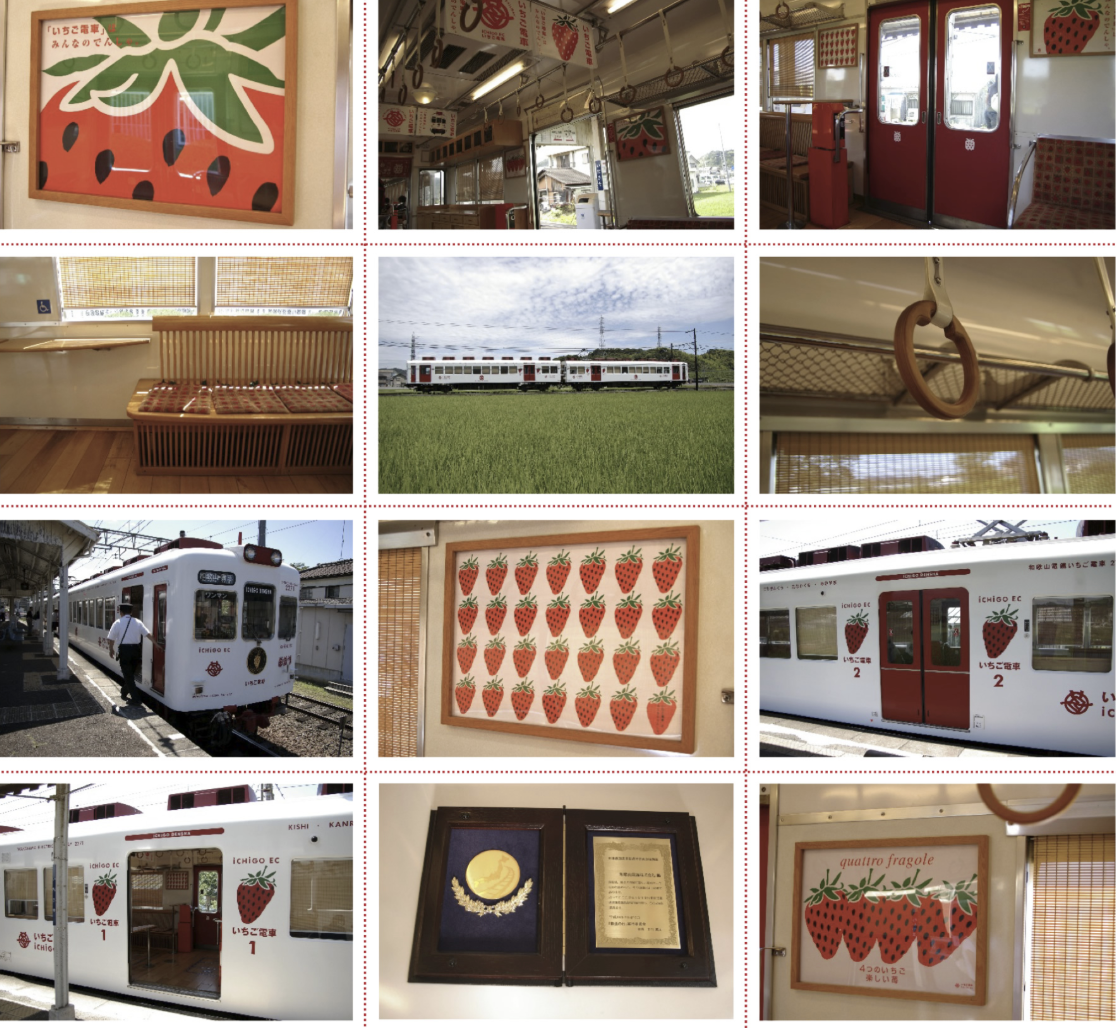
The Strawberry Train features a white body with red doors and logo accents. This is inspired by strawberries, a specialty product in the Kishigawa area. This train features natural wood for the floors, benches, service counters, tables, corners for people with disabilities, roll blinds, and handrails, making it comfortable for commuters.
Tama Train (Tama Densha)

Tama Train was debuted in honor of Tama, the first cat station master. The train’s exterior is adorned with 101 Tamas running and lying around, making it an irresistibly cute sight that will bring a smile to your face. The inside of the train has a bookshelf full of picture books, illustrations of Tama, and Tama-inspired goods.
Umeboshi Train (Umeboshi Densha)

Umeboshi Train has a design inspired by Nanko-ume, the world’s best plum and a representative specialty product of Kishu/Wakayama. The train features a metallic exterior that shines with a vibrant reddish-purple hue. The interior, with its washi paper and wooden ceilings and traditional kumiko latticework, offers a luxurious finish with a pleasant scent of wood.
Tama Densha Museum Train
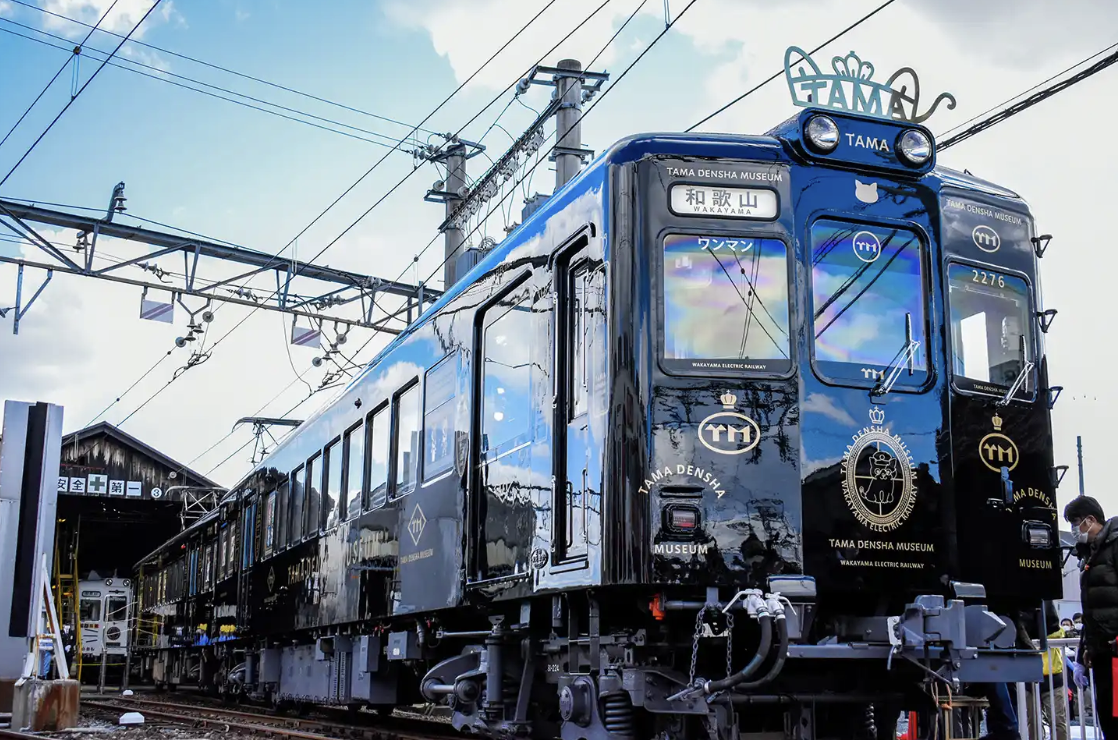
The Tama Densha Museum Train is the most recent themed train in the Kishigawa Line. It has a black exterior. The interior has a luxurious design. The designers of the train want commuters to feel at home in Tama’s neighborhood, surrounded by other cat station masters, fans, and children. The train is filled with cats from floor to ceiling.
Chuggington Train

Chuggington Train is a commuter train featuring train characters from the animated children’s series, Chuggington. The exterior of the train is wrapped with images of Wilson and Brewster, and the interior is decorated with Chuggers.
The costs of refurbishing all the trains are covered by support and donations from supporters in Japan and abroad.
Themed Trains Daily Schedule
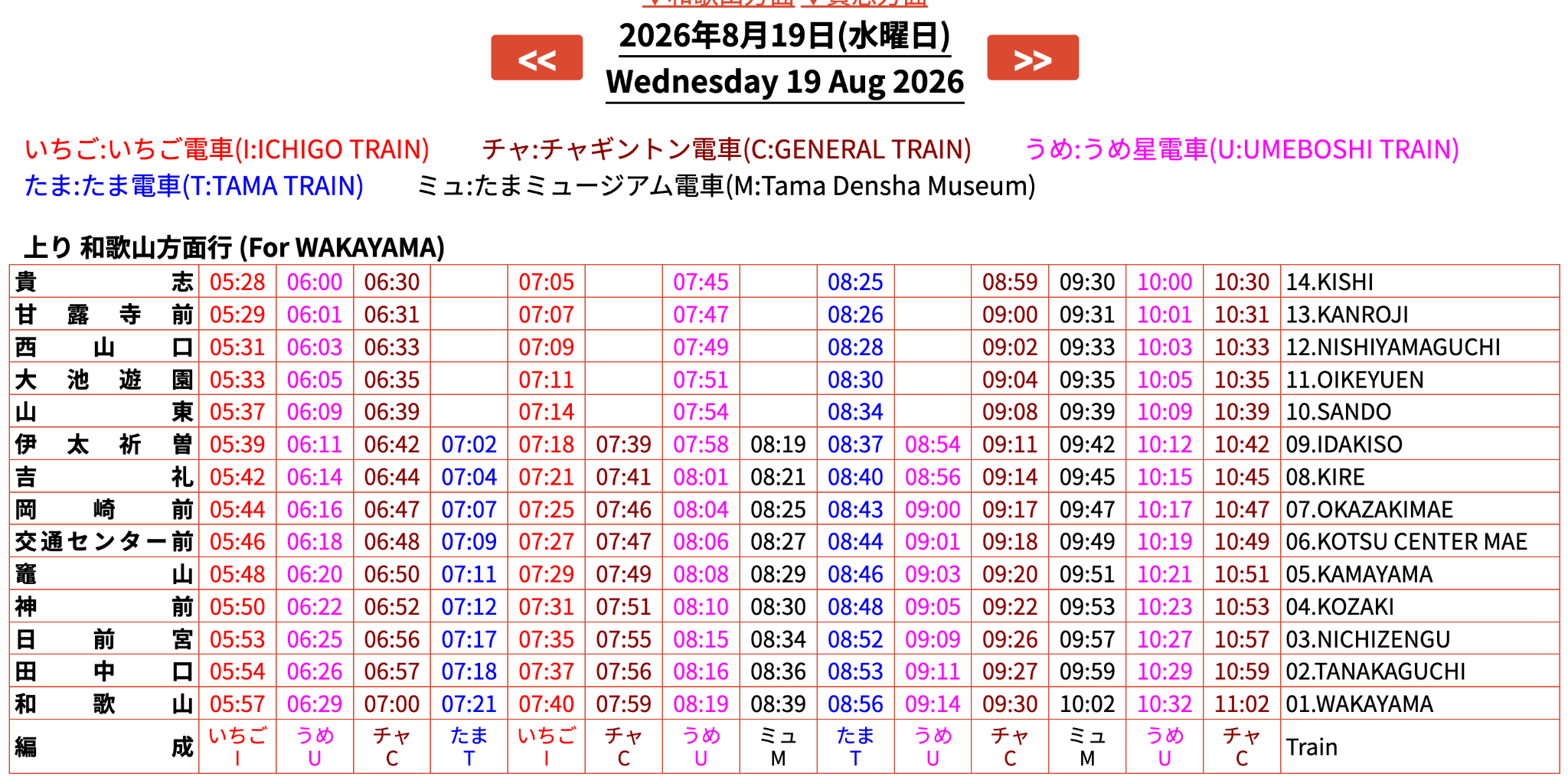
Not all themed trains operate daily, so if you want to ride a specific themed train, you need to check if that train is scheduled to run on that day. You can check the schedule of the themed trains by travel date on Wakayama Dentetsu’s website. Just choose the date of your visit and see which themed trains are running, like this one:
Join the Tama Station Master Overlapping Stamp Rally
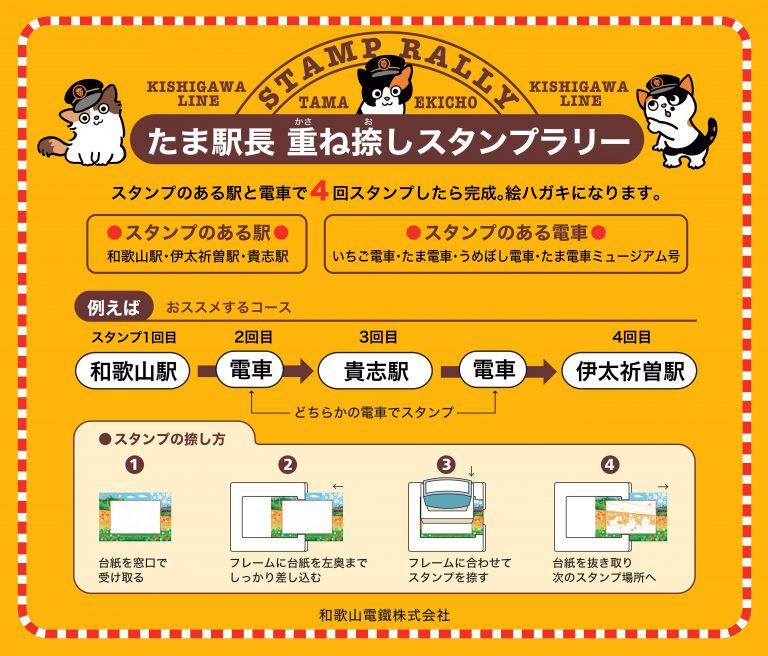
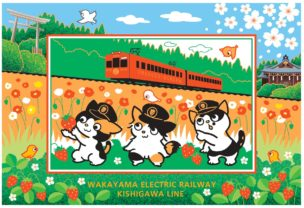
One activity you can do when visiting Kishi Station is to join the stamp rally. If you buy the Kishigawa Line 1-day pass, you can receive a stamp card. You have to complete the picture by layering stamps located on trains and at stations.
The stations with stamps are Wakayama Station, Idakiso Station, and Kishi Station. You need to visit all three stations and ride one of the four themed trains (Strawberry Train, Tama Train, Umeboshi Train, and Tama Densha Museum Train) to complete the picture.
Aside from completing the stamp rally, do not forget to get the eki stamps at various stations if you are collecting train station stamps.
Tips for Visiting Kishi Station
- Visit early in the day. Arriving earlier can give you more time to enjoy Kishi Station, explore the Tama-themed facilities, take photos, and ride the Kishigawa Line without feeling rushed. It can also help you avoid some of the larger groups that may arrive later in the day.
- Respect the cat’s resting time. The station master is a real cat, not simply a tourist attraction. The cat may be sleeping, resting, or unavailable during your visit. Don’t try to get its attention if it appears to be resting, and understand that seeing the station master isn’t guaranteed.
- Don’t use flash photography. You may want plenty of photos of the cat station master, but avoid using your camera’s flash. Bright flashes can disturb or stress the cat, especially when many visitors are taking pictures throughout the day.
- Avoid tapping on the glass windows. Don’t tap on the glass or make loud noises to wake the cat or get it to look toward your camera. Instead, enjoy watching from a respectful distance and let the cat behave naturally.
- Check the train schedules beforehand. Trains on the Kishigawa Line aren’t as frequent as trains on major lines in Osaka or Tokyo. Check the timetable before your trip, especially if you want to ride a particular themed train such as the Tama Train. This will also help you plan your return to Wakayama Station.
- Bring some cash. Carrying a small amount of cash is a good idea when visiting Kishi Station. Cash can be useful for train tickets and small purchases such as souvenirs, snacks, or drinks, particularly if cashless payment isn’t available for everything you want to buy.
Visiting Kishi Station can be one of your most memorable experiences in Japan. You get to meet Japan’s famous cat station masters, ride the colorful themed trains, explore the cat-shaped station building, and learn about Tama’s legacy. If you’re a cat lover or simply searching for something unique to do outside Japan’s usual tourist destinations, this trip will definitely become one of your favorites. If you’re done visiting places in Osaka, Wakayama is another option for a day trip. In case you want to explore more places in Wakayama, you can join a one-day tour from Osaka. You’ll be able to experience everything at Kishi Station and visit Shirahama Senjojiki and Sandanbeki Cliff.